Energy-Saving Tips for Heating and Cooling Your Home Efficiently
Southern California homes experience high cooling demand in long summer months and moderate heating needs in winter. Reducing wasted energy depends on controlling indoor temperatures, protecting conditioned air, and keeping HVAC equipment operating within design limits.
How can I reduce cooling demand during Southern California summers?
Cooling consumes the most energy in Murrieta and Temecula due to sustained daytime heat. Lowering that load focuses on indoor temperature control, minimizing heat gain, and using supplemental airflow.
- Raise cooling thermostats into an efficient operating band rather than over-cooling the home.
- Use window treatments to block direct solar heat on west- and south-facing glass.
- Run ceiling fans to increase perceived comfort without reducing air temperature.
- Reduce internal heat loads from lights, ovens, dryers, and electronics during peak hours.
- Ventilate in early mornings when the exterior air temperature is lower.
Cooling demand falls when systems run fewer hours to reach setpoints. Indoor temperatures remain stable when heat entry and internal loads are controlled.
What winter temperature settings improve heating efficiency?
Winters in Southern California are mild, so heating requirements are moderate. Lower setpoints and controlled setbacks prevent unnecessary gas or electric use.
- Maintain indoor heating near standard efficiency temperature bands rather than high comfort ranges.
- Apply nighttime setbacks of several degrees to reduce hourly heating runtime.
- Avoid extreme setbacks that may create extended recovery time in the morning.
- Keep heat pumps within moderate temperature ranges when occupied.
- Supplement with clothing or bedding instead of raising setpoints.
The objective is to maintain safe indoor temperature ranges without forcing the heating system into extended cycling or standby losses.
How does thermostat control lower total HVAC energy consumption?
Thermostat settings directly control system runtime. Optimal temperature bands limit compressor and furnace workload.
- Use a programmable thermostat to automate daytime, nighttime, and vacancy setbacks.
- Avoid frequent manual adjustments that trigger short cycling.
- Maintain a narrow band of comfort conditions rather than large up-and-down swings.
- Store separate weekday and weekend schedules to match occupancy.
- Place thermostats on interior walls away from heat sources or sunlight.
Stable thermostat control shortens compressor load, prevents overheating or overcooling, and keeps equipment operating near design efficiency.
How does air sealing prevent heating and cooling waste?
Unsealed gaps allow uncontrolled air movement between conditioned and unconditioned zones. Closing these gaps reduces infiltration and exfiltration.
- Apply weatherstripping to exterior doors and attic accesses.
- Seal gaps at window frames and baseboards using appropriate caulking.
- Close penetrations around plumbing, electrical conduits, and cable entry points.
- Inspect garage-to-home access doors for air leakage.
- Limit natural infiltration from ceiling fixtures or wall cavities.
Reducing leakage keeps conditioned air in the occupied space and limits unwanted outdoor air exchange that forces HVAC equipment to compensate.
Why is duct sealing important for efficiency in Murrieta and Temecula homes?
Many homes route ducts through attics or garages where temperature differentials are high. Air leakage in these locations increases energy waste.
- Inspect duct joints for separation, damage, or exposed seams.
- Use mastic or approved foil tape rather than cloth household tape.
- Seal boots at the ceiling line to prevent air from escaping into attic cavities.
- Add insulation around supply ducts in unconditioned spaces.
- Confirm register covers and return grilles are fully fastened.
Sealed ducts deliver conditioned air directly to rooms instead of losing volume into attics or wall cavities, lowering system runtime.
How does insulation support energy-efficient climate control?
Insulation slows heat transfer through walls, ceilings, and floors. When combined with air sealing, it stabilizes internal temperatures.
- Increase attic insulation levels to reduce heat gain through the roof deck.
- Insulate exterior walls where feasible through blown-in or batt installation.
- Add insulation around HVAC line sets or exposed air delivery lines.
- Limit conductive transfer through uninsulated garage-adjacent rooms.
- Use insulated electrical gaskets to slow air exchange in exterior walls.
Insulation reduces temperature fluctuations that force equipment to cycle, maintaining steady comfort without additional energy input.
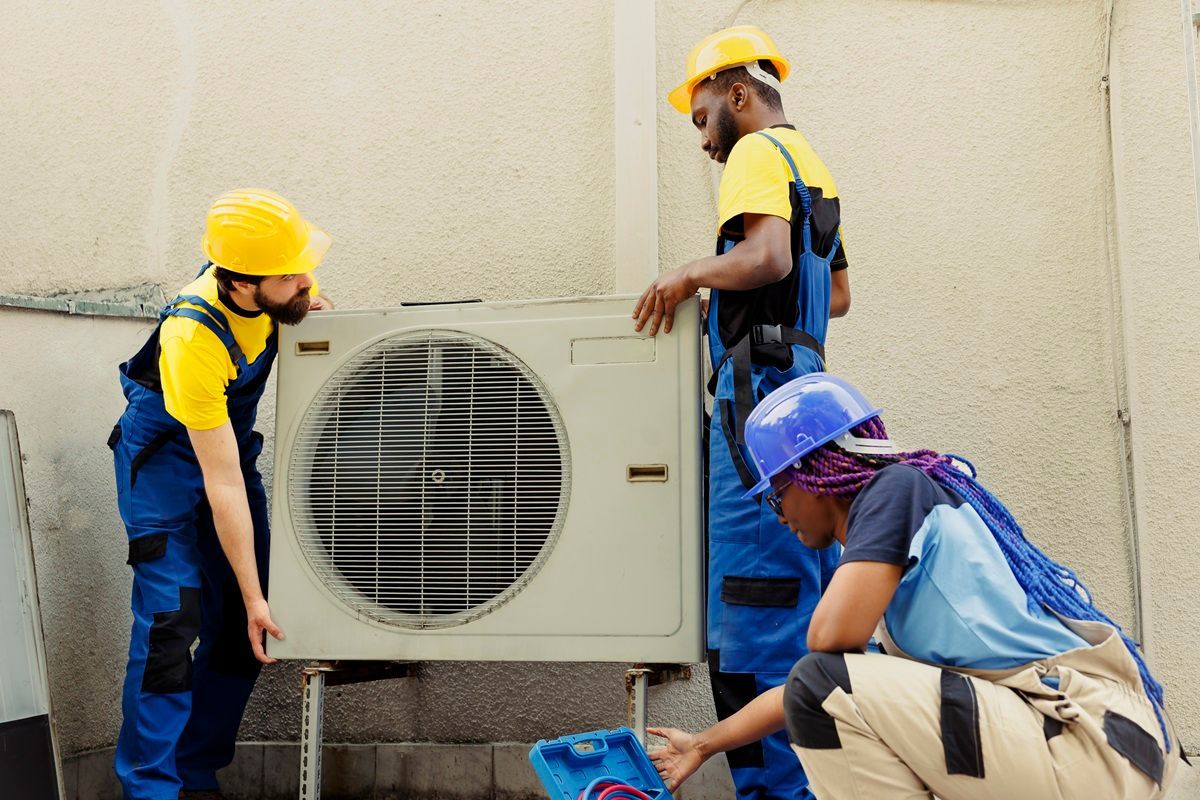
How does regular HVAC maintenance sustain efficiency?
HVAC systems need mechanical cleanliness and calibrated performance to operate efficiently. Neglected equipment draws unnecessary power.
- Replace or clean air filters at consistent intervals.
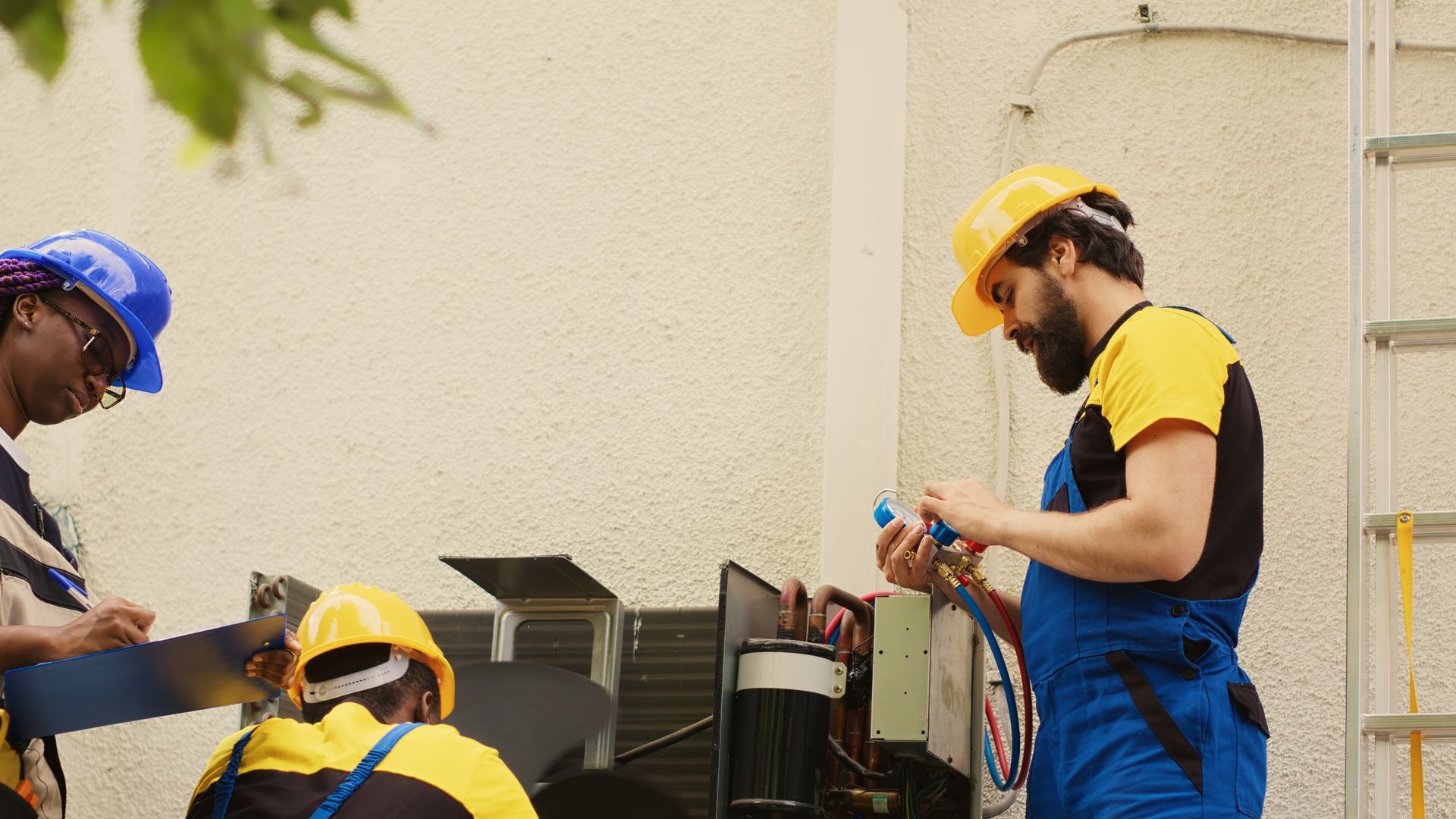
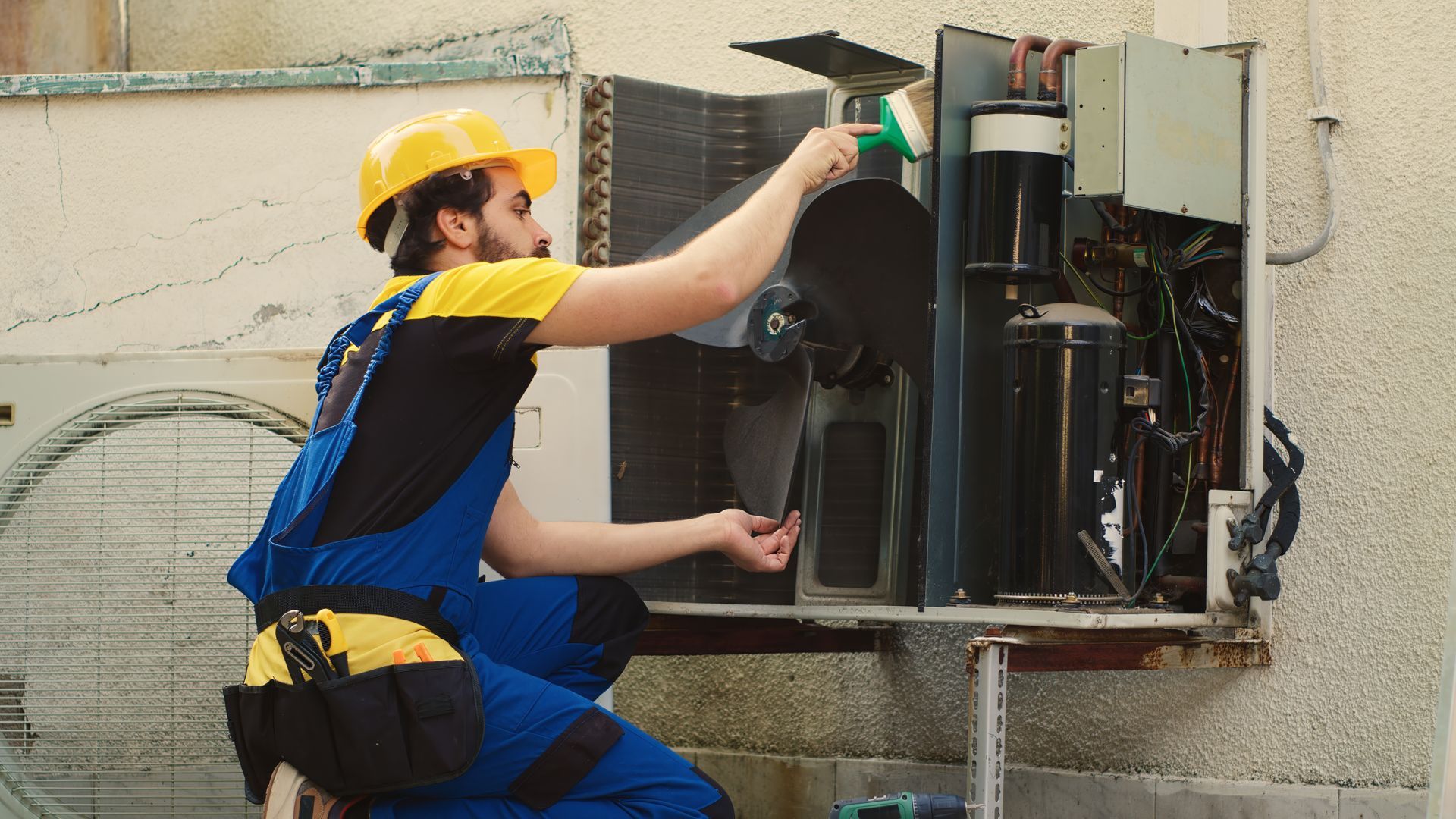
- Keep evaporator and condenser coils clean to maintain heat transfer.
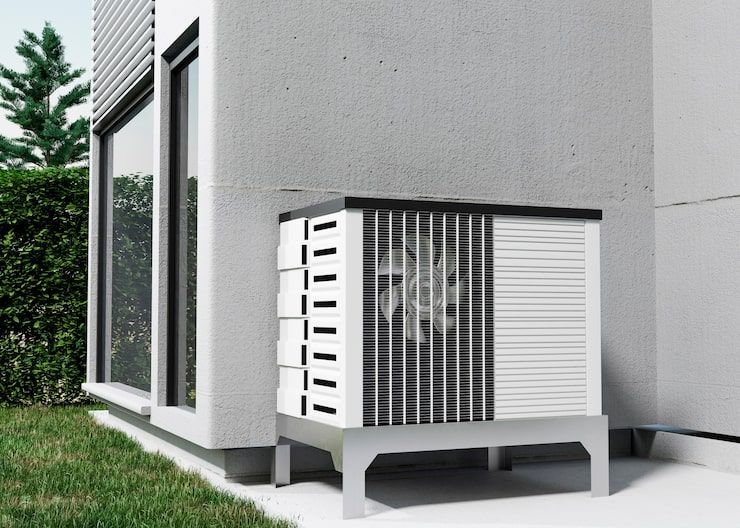
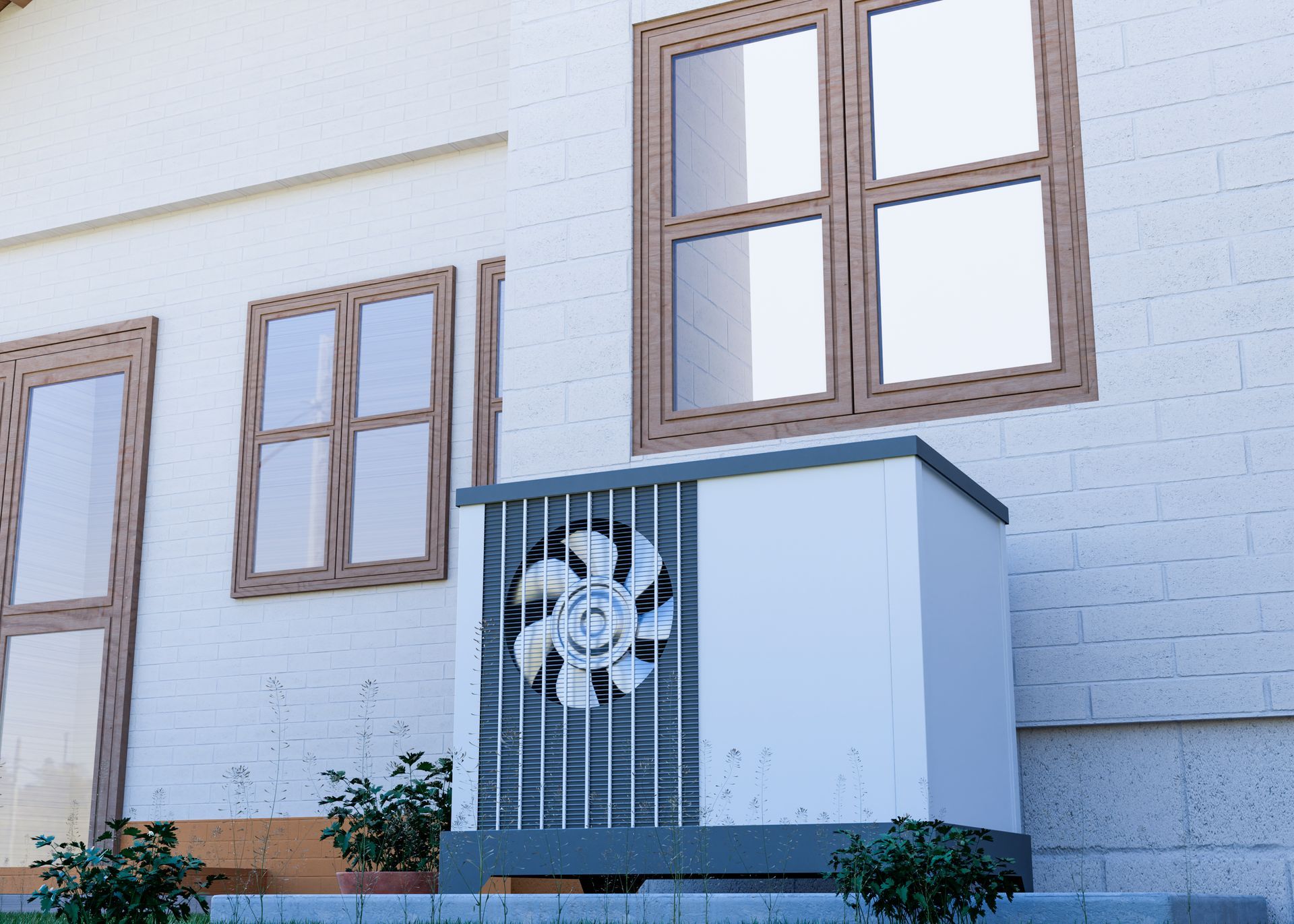
- Clear vegetation and debris from outdoor condenser units.
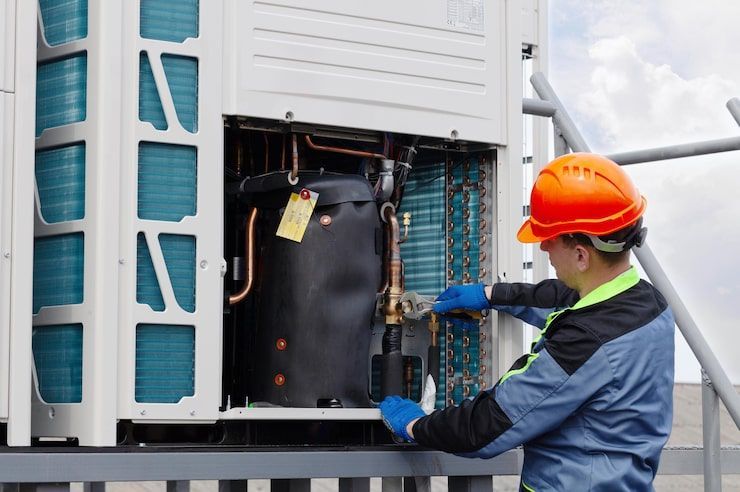
- Tighten electrical connections and check blower assemblies.
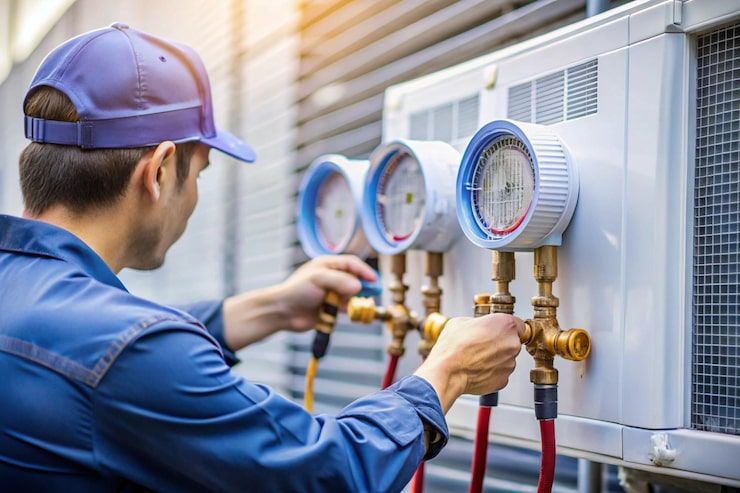
- Inspect refrigerant pressure for performance deviation.
Maintenance prevents system strain, reduces cycling times, and extends service life by maintaining designed thermal exchange.
Why is air filter replacement critical in dusty environments?
Southern California’s dry seasons increase particulate load. Filters clog faster, reducing airflow.
- Use filters with acceptable MERV ratings that maintain system airflow.
- Replace filters monthly during heavy cooling periods.
- Avoid filters that are too restrictive for blower capacity.
- Ensure filter housings seal without side bypass.
- Maintain spare filters for high-dust months.
Clean filters allow full airflow across coils, preventing system overheating and excessive compressor demand.
How does occupancy scheduling reduce energy waste?
Energy savings increase when systems operate according to presence, not convenience. Schedule-based conditioning limits standby consumption.
- Program daytime setbacks when occupants are away.
- Lower nighttime heating automatically without manual input.
- Place schedules on a weekly rotation.
- Track vacation periods with long setbacks.
- Modify seasonally without altering core automation.
Scheduling reduces continuous runtime and eliminates conditioning of unused zones.
How does internal load reduction contribute to cooling efficiency?
Electronics, cooking equipment, and lighting all generate heat. Lowering internal load reduces cooling demand.
- Minimize heat-producing appliance usage during peak temperature hours.
- Switch to LEDs to reduce lighting heat output.
- Unplug electronics that generate standby heat.
- Cook outdoors or earlier in the day.
- Keep computer equipment ventilated.
Lower internal loads keep indoor air cooler without relying on additional compressor operation.
How does equipment age affect HVAC efficiency?
Performance degrades over time as parts wear, surfaces foul, and refrigerants lose charge. Aging systems consume more energy.
- Review runtime performance when energy bills rise despite consistent use.
- Track repair frequency to measure decline.
- Compare equipment age against standard service life ranges.
- Examine temperature stability room-to-room.
- Assess blower noise or vibration.
Older systems eventually require replacement to restore energy-controlled operation.
What behavioral changes support year-round efficiency?
Routine habits enforce energy discipline. These behaviors reduce reliance on system output.
- Close doors during conditioning to limit conditioned-space volume.
- Reduce thermostat adjustments driven by momentary discomfort.
- Maintain consistent room zoning.
- Limit open refrigeration doors during the summer months.
- Keep windows shut during daytime heat.
Behavioral consistency strengthens all mechanical efficiency measures.
Frequently Asked Questions
What thermostat range minimizes cooling energy?
Moderate cooling setpoints above common indoor comfort temperatures shorten compressor runtime.
How often should air filters be replaced?
Check monthly and replace as soon as airflow obstruction appears.
Should vents be closed in unused rooms?
No, because static pressure increases and reduces overall distribution efficiency.
Is night ventilation effective in Southern California summers?
It can be effective when outdoor temperatures fall below indoor temperatures.
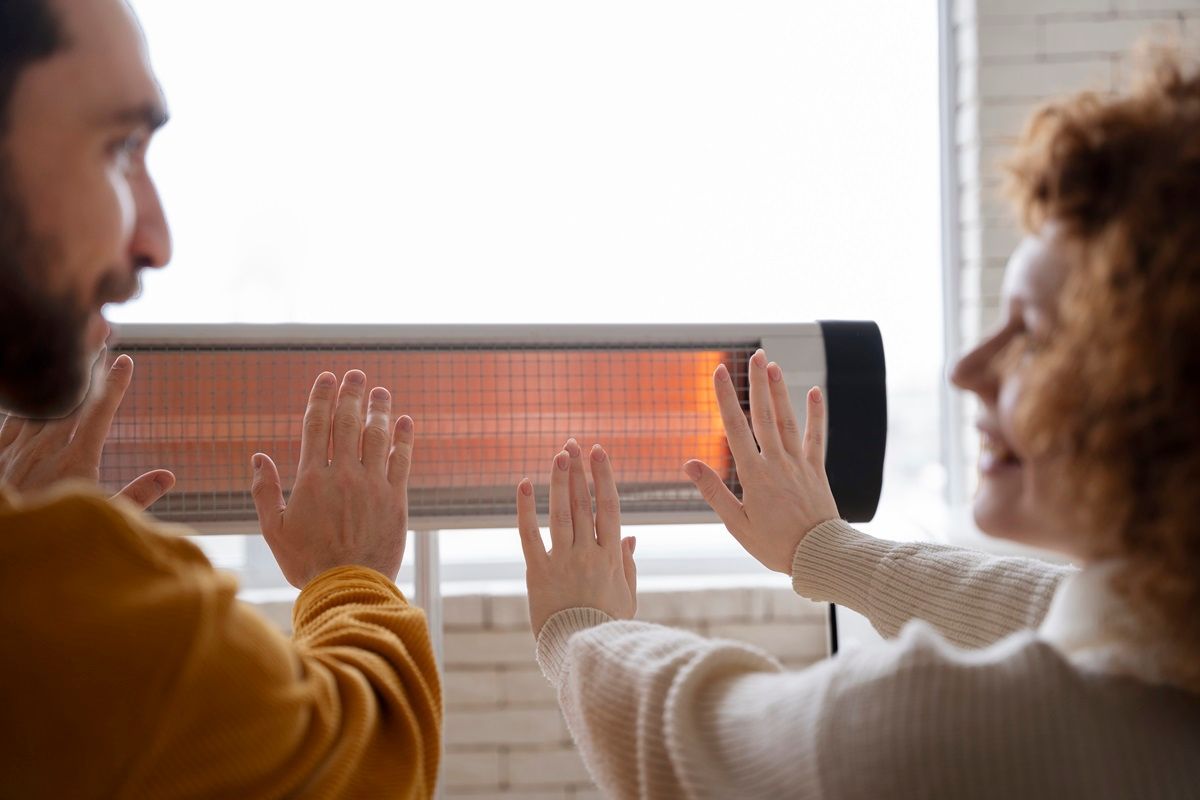
Are portable space heaters efficient in winter?
Only for localized heating; they are not a substitute for controlled HVAC load management.
A Final Thought
Efficient operation depends on controlled thermostat behavior, building envelope management, and maintained equipment. Southern California conditions reward structured cooling reduction and stable heating control. Homes using these measures reduce HVAC workload and limit energy waste across seasonal changes.