Planning a Heat Pump Upgrade in 2026: Key Things to Know
Homeowners planning a heat pump upgrade in 2026 must weigh efficiency, cost, and local climate factors. This guide explains what to consider for a successful upgrade (for example, Heat Pumps in Carlsbad, CA), including system selection, efficiency standards, incentives, and installation steps. Readers will learn how to size equipment, budget for rebates, and meet upcoming regulations without guesswork.
Benefits of a Heat Pump Upgrade
Upgrading to a heat pump uses electricity to transfer heat, which can improve efficiency and reduce fuel use and emissions.
- How heat pumps work: They move heat rather than generate it, so a heat pump can both heat and cool one home efficiently. It extracts outdoor heat in winter and expels indoor heat in summer, providing year-round comfort.
- Energy savings: Because heat pumps transfer heat, they often use much less energy than gas furnaces or standard electric heaters. Over a year, a properly sized heat pump can lower energy costs versus a gas furnace, especially if the old system was inefficient.
- Environmental benefits: Heat pumps emit no combustion byproducts on-site and reduce greenhouse gases compared to gas heating. Cleaner electricity over time means heat pumps will have an even smaller carbon footprint.
- Dual-function: One unit handles both heating and cooling, simplifying maintenance. This is especially useful in coastal homes where both mild heating and cooling are needed.
- Trade-offs: Heat pumps tend to cost more upfront than a basic furnace or AC, and they may need auxiliary heat during very cold snaps. Homeowners should compare long-term savings to the higher initial cost when deciding.
By understanding these trade-offs, homeowners can see that the efficiency gains of a heat pump can outweigh the costs, so long as the system is chosen and installed correctly.
Sizing and System Type Considerations
Choosing the right size and type of heat pump is essential to meet your home’s heating and cooling needs efficiently.
- Load calculation: A professional should perform a Manual J calculation to determine the correct capacity. This considers insulation levels, window sizes, occupancy, ceiling height, and other factors, not just square footage. Skipping this step often leads to the wrong-sized system.
- Ducted vs. ductless: A ducted (central) heat pump uses existing ducts; a mini-split (ductless) provides zoned comfort without ducts. Ductless systems can be cost-effective for room-by-room control or homes without good ductwork. Hybrid systems combine a heat pump with a gas furnace as backup.
- Sizing mistakes: Oversizing causes short cycling (rapid on/off), wasting energy and increasing wear. Undersizing leaves the home cold or hot at peak times. Both issues reduce comfort and lifespan. Choosing the wrong type (e.g. a ducted unit without adequate ducts) can also limit performance.
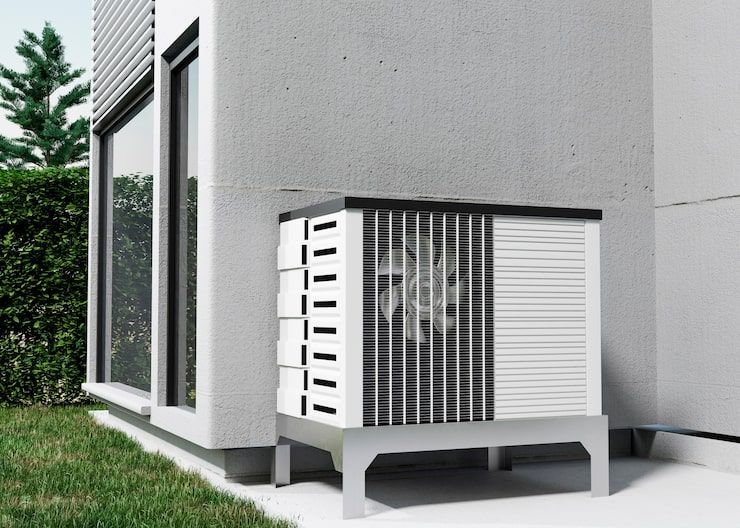
- Installation space: Ensure there is room for the outdoor condenser and any indoor units. High-efficiency models often require larger coils or specific refrigerants (see below).
- Practical trade-offs: In Carlsbad and Oceanside’s mild winters, moderate heating is needed, so systems rarely need to be oversized for cold weather. However, homes with poor insulation or large glass areas may need a larger unit.
Efficiency Ratings and Standards
Modern heat pumps offer much higher efficiency than older HVAC equipment and must meet strict energy standards.
- SEER & HSPF ratings: Cooling efficiency is measured by SEER (Seasonal Energy Efficiency Ratio) and heating efficiency by HSPF (Heating Seasonal Performance Factor). New systems use SEER2/HSPF2 ratings (updated 2023 standards). Most quality heat pumps now exceed 15 SEER, with high-end units over 20. Higher ratings mean lower energy use but usually higher cost.
- ENERGY STAR Most Efficient: To qualify for maximum federal tax credits, a heat pump must meet the “Most Efficient” criteria and carry an ENERGY STAR label. This ensures top-tier performance.
- Refrigerants: New EPA regulations (AIM Act) will prohibit the use of high-GWP refrigerants like R-410A in new heat pumps starting in 2025. By 2026, expect low-GWP refrigerants (R-32 or R-454B) in new units. These new refrigerants have less climate impact but may require more careful servicing.
- Efficiency vs. comfort: Variable-speed (inverter) compressors and multi-stage units adjust output for even temperatures and better dehumidification. These premium systems cost more but can significantly improve comfort and savings.
- Common pitfalls: Buyers should avoid ignoring the efficiency specs or choosing a very basic two-speed unit without considering long-term savings. Also, do not assume a higher SEER rating always means lower bills if the home has other issues (like leaks or poor insulation).
Costs, Incentives, and Financial Planning
A whole-home heat pump system often costs tens of thousands of dollars installed, but incentives can offset much of this expense.
- Installation cost: National averages (after typical rebates) are roughly $15,000 for a central ducted system. California’s high labor costs push this higher (average $18,648 for ~3.2-ton systems). Ductless mini-splits are often more expensive per ton because each indoor unit adds $2,000–$4,000. Adding or modifying ductwork can add $5,000–$10,000. Final cost depends on system size, efficiency level, and any necessary home upgrades (see below).
- Additional work: Retrofitting an older home may require duct sealing/modification and possibly an electrical panel upgrade. For example, older 100-amp panels often need upgrading to 200-amps to handle the heat pump’s demand. Disconnect boxes, gas line capping, or insulation improvements may also add to the cost.
- Federal tax credits: The 2025 Section 25C credit covers 30% of qualified costs for energy-efficient heat pumps, up to $2,000 per home. This credit is only available for systems installed through December 31, 2025. There is no federal credit for installations in 2026 under current law.
- California rebates: The federal-IRA-funded HEEHRA rebate offers up to $4,000–$8,000 for income-qualified California homeowners installing heat pump HVAC. (Higher rebates go to lower-income households.) These require application through certified contractors. Be aware that Southern California’s allocation has been largely reserved as of January 2026, so funding may be limited.
- Utility and local incentives: Check for any San Diego-area utility rebates or TECH Clean California programs. Many local utilities and municipalities offer rebates or financing for electrification. For example, TECH Clean California incentives have in the past provided $1,000–$4,000 off a new heat pump.
- Missing incentives: A common mistake is assuming credits/rebates will last – they end or change. Planning an installation after 2025 could mean losing the $2,000 federal tax credit and certain California rebate availability. Factor these deadlines into your upgrade timeline.
Installation Process and Timeline
Installing a heat pump requires planning and typically takes a few days once work starts. Being prepared can prevent delays and extra expenses.
- Pre-installation planning: An HVAC professional will perform a Manual J load calculation (see above) and design the system. Permits are usually required for replacing a furnace/AC. Make sure your contractor schedules inspections as needed.
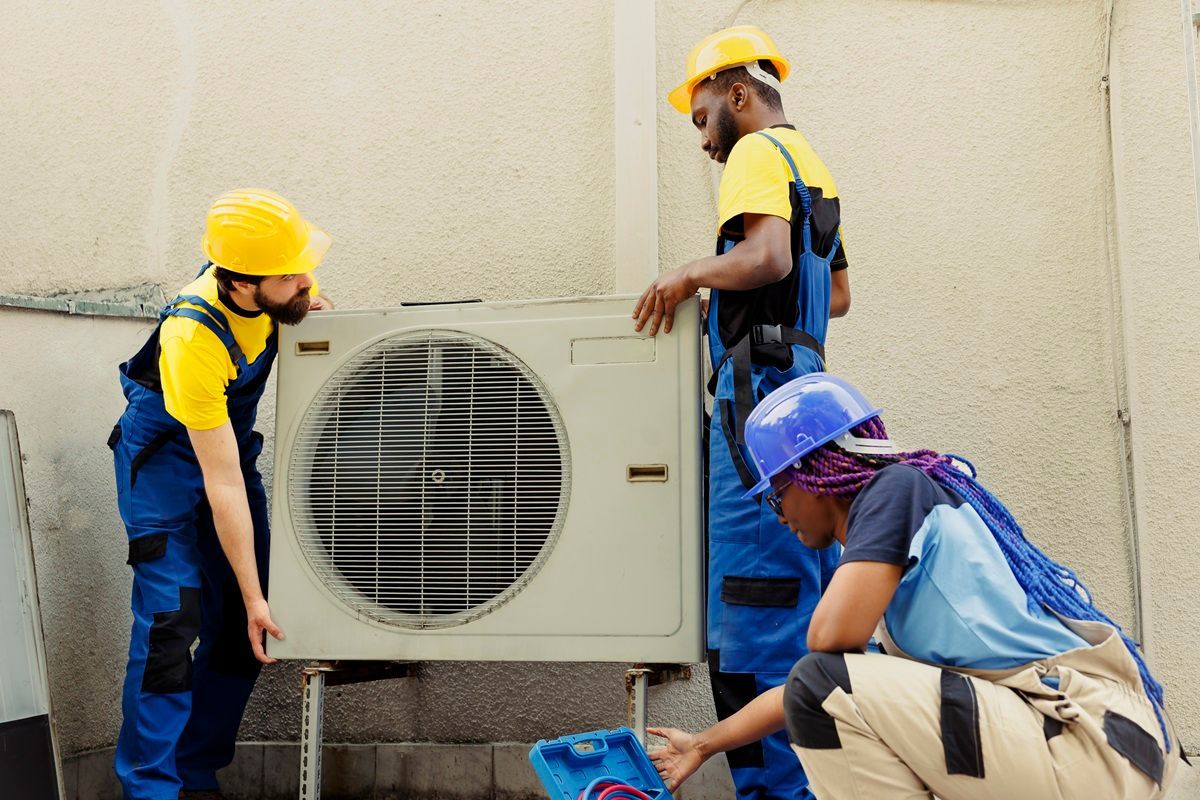
- Removing old equipment: On installation day, technicians will disconnect the old system. This includes safely recovering any refrigerant per EPA rules (illegal to vent it) and shutting off gas or electrical connections. Any old equipment and refrigerant must be properly removed.
- Site preparation: The outdoor unit must sit on a sturdy pad. Installers will level the ground and often use a durable composite pad to last the life of the new unit. If indoor coils are replaced (common when switching system types), the contractor will remove the old evaporator coil and install a matching new one.
- Electrical work: The outdoor unit needs dedicated wiring. Installers will add or update a disconnect box and branch circuit at the main panel. If the existing panel lacks capacity, it must be upgraded. Do not skip this – modern heat pumps often require a 30–60 amp circuit and safety disconnect.
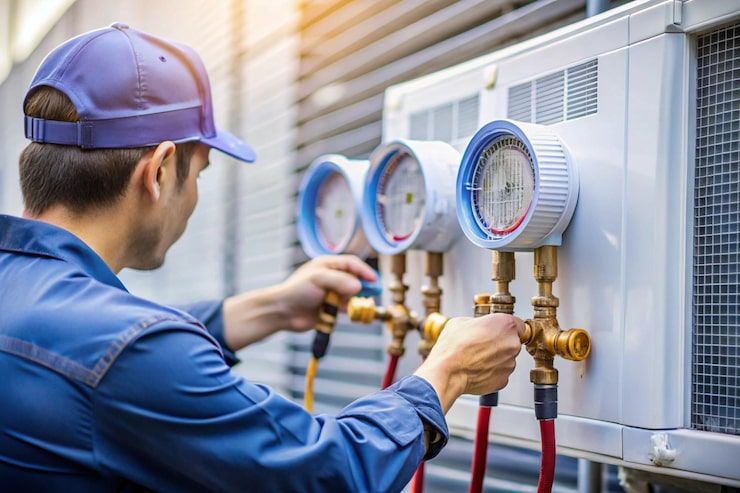
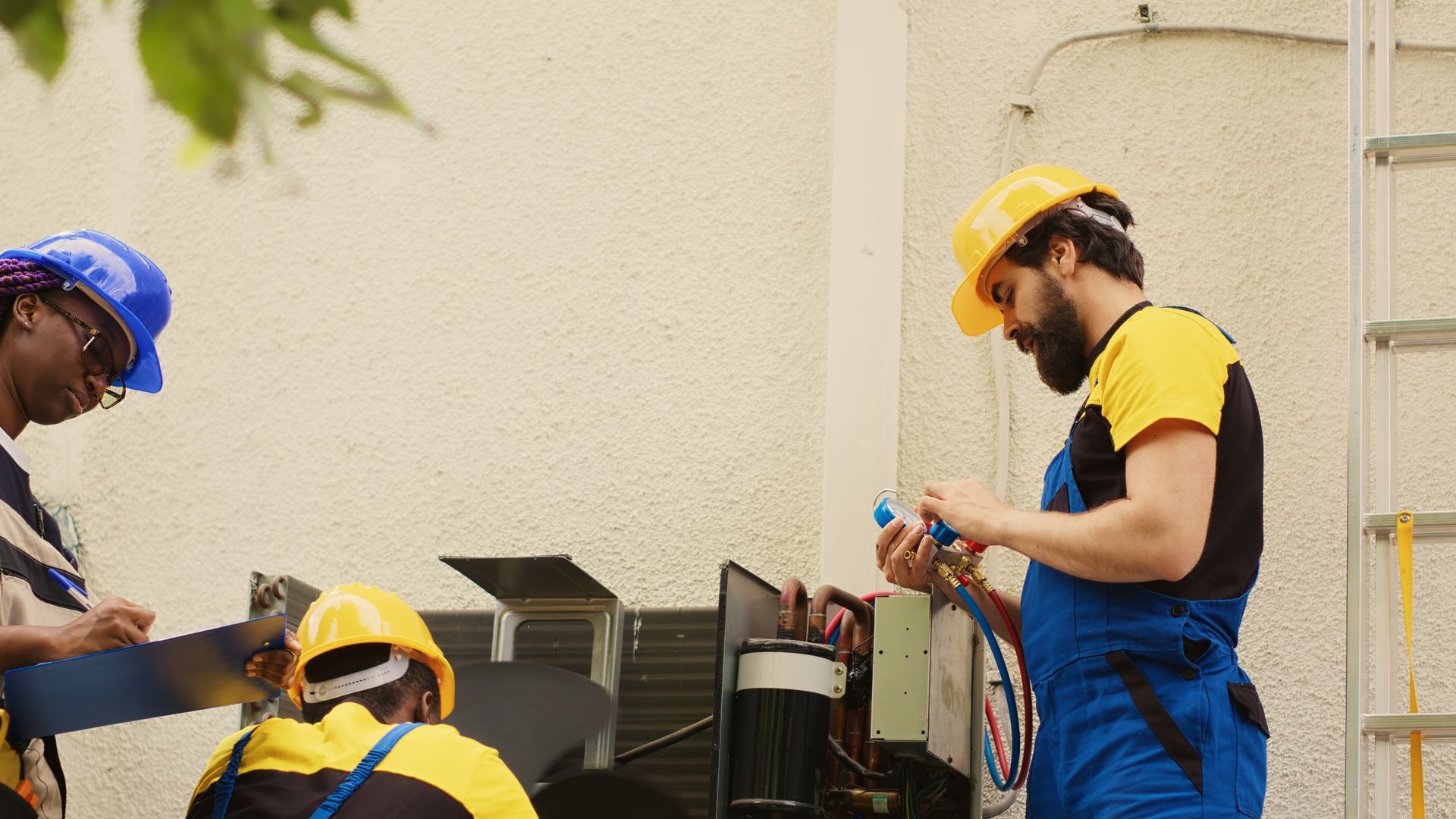
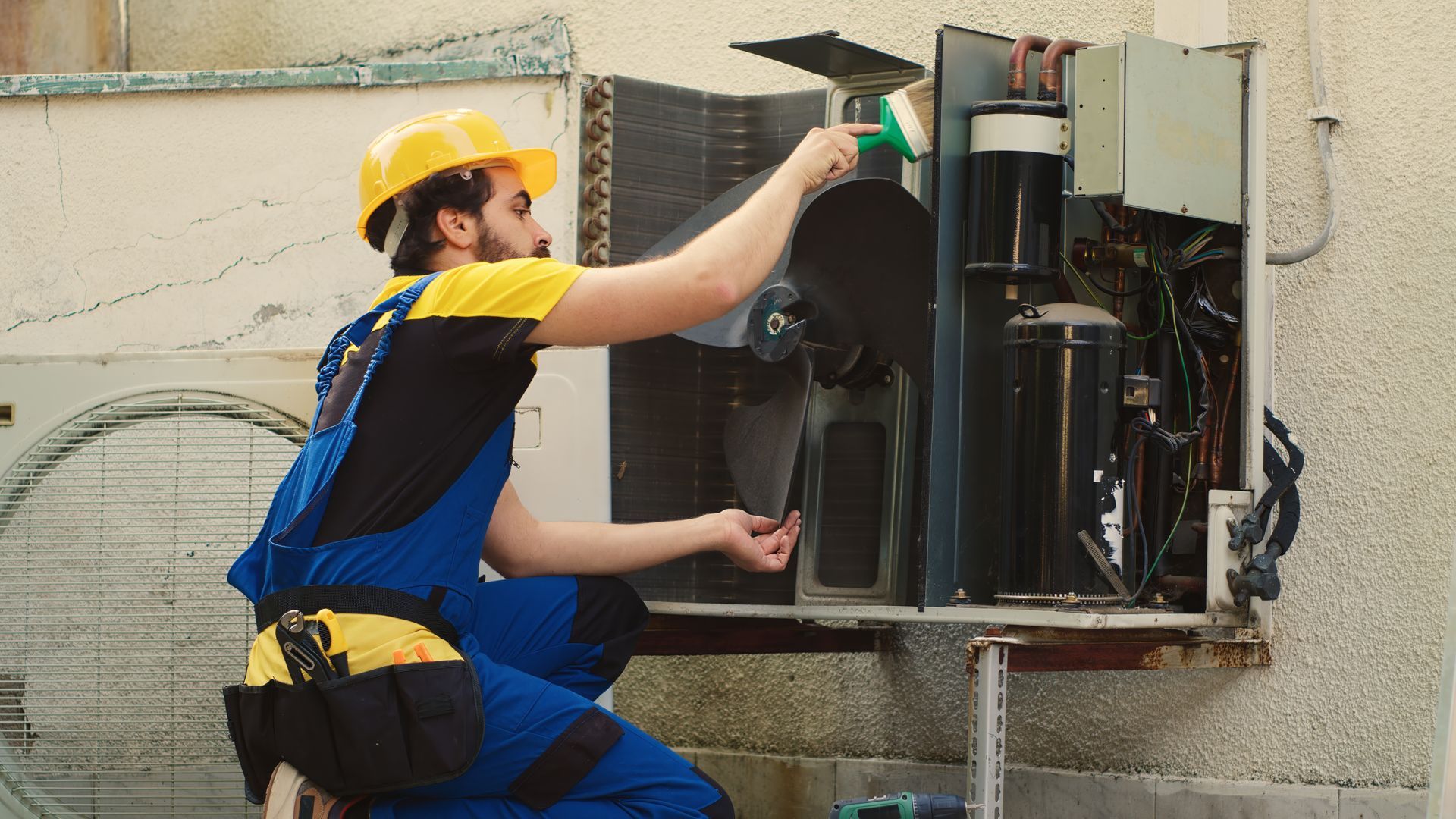
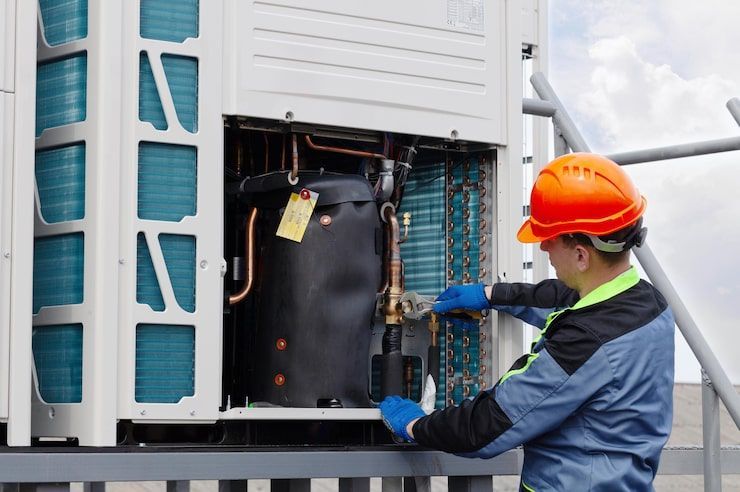
- Equipment installation: The new outdoor condenser is set in place and leveled. All refrigerant line-sets, electrical lines, and indoor units are connected. Installers must ensure duct connections are sealed and the system is charged with refrigerant.
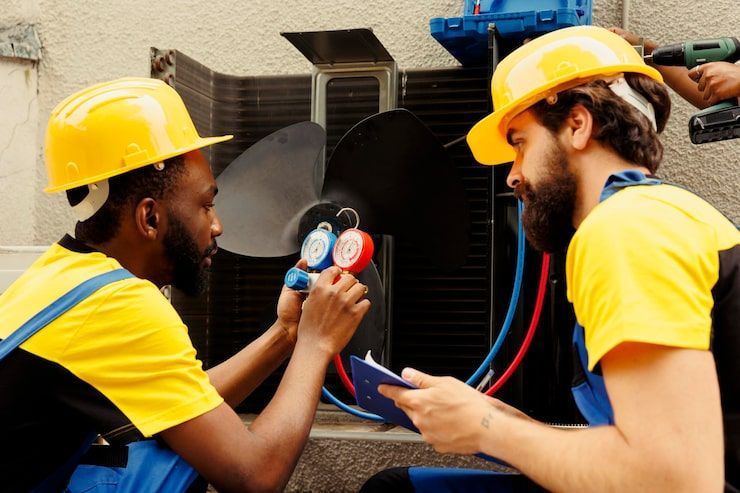
- Testing and commissioning: After installation, technicians run the system to verify heating and cooling, defrost operation, thermostat controls, and safety systems. This commissioning process (sometimes 15–20 minutes of runtime) confirms everything works to spec.
- Timeline: A straightforward replacement (ducted system, one-story home) often takes 2–3 days to complete. Complex jobs (multi-story, multiple zones, panel upgrades) can take longer. Plan a few weeks for quoting and permitting before installation begins.
Climate and Comfort Factors (Carlsbad/Oceanside)
Coastal Southern California has mild winters and moderate summers, which favor heat pump performance.
- Mild winter heating: Average winter lows in Carlsbad/Oceanside are well above freezing (often in the 45°F–50°F range). Most heat pumps can handle these temperatures efficiently without backup heat. Rare freezes mean the heat pump rarely operates at its limit.
- Summer cooling: Although coastal summers are cooler than inland, air conditioning is still often needed. Heat pumps act as efficient air conditioners in summer, providing reliable cooling. They also dehumidify the air as part of cooling, which can improve comfort.
- Whole-home comfort: A correctly sized heat pump will keep rooms evenly warm. In contrast, older single-stage furnaces/AC often cause temperature swings. Heat pumps with variable speed compressors run longer at lower output, smoothing out temperatures.
- Noise and maintenance: Modern heat pumps run quietly compared to older AC units. Since they both heat and cool, you’ll care for one system instead of two. Ensure outdoor units have clearance from vegetation or debris to maintain airflow.
- Local adaptation: Companies supplying Heat Pumps in Oceanside, CA, and Carlsbad adjust systems for the marine climate (e.g., corrosion-resistant coatings). When getting quotes, ask if the equipment is rated for coastal salt air and humidity.
Future Regulations and Market Trends
California is moving steadily toward electrification, so a 2026 heat pump upgrade is likely to be more future-proof than a traditional furnace.
- Building codes: The 2025 update to California’s Title 24 energy code (effective Jan 1, 2026) requires new homes to use heat pumps for space heating. While this doesn’t mandate retrofits, it signals the direction of standards – future replacements will favor all-electric systems.
- Climate goals: State policy aims to install 6 million heat pumps by 2030. Local agencies are tightening equipment standards (e.g., low-NOx requirements). Planning now avoids retrofitting when stricter rules arrive.
- Refrigerant regulations: As noted above, EPA rules will ban R-410A refrigerant in new systems starting in 2025. By using compliant refrigerants today, your system will meet future service regulations.
- Utility trends: Electricity is becoming cleaner (more solar and wind), making heat pumps greener over time. Some utilities may offer demand response programs for heat pump owners (shifting run-times off-peak).
- Home resale and value: Homes with modern heat pumps (and no gas furnace) may be more attractive in a market shifting toward efficiency and sustainability. Conversely, installing a gas furnace today could become outdated.
- Common oversight: Homeowners sometimes neglect to arrange gas shutoff/capping when switching to electric heat. If your furnace or gas water heater is removed, have a professional properly cap the gas line per code to avoid leaks.
Maintenance and Longevity
A well-maintained heat pump can run efficiently for 10–15 years (often longer). Regular care is key.
- Lifespan expectations: Most heat pumps last 10–15 years with proper care. Premium systems and professional installation can extend this to 15–20 years. Expect major repairs around the decade mark if not replaced earlier.
- Routine care: Change or clean filters every 1–3 months. Annual maintenance by a qualified technician should include cleaning coils, checking refrigerant charge, and testing electrical connections. These steps prevent efficiency loss and breakdowns.
- Common issues: Watch for warning signs like rising energy bills, uneven heating, or strange noises, which indicate service is needed. Address problems early—e.g. freezing coils or a faulty fan—before they cause big failures.
- Climate impact: Since Carlsbad/Oceanside winters are mild, your heat pump may run less hard than in cold climates, potentially reducing wear. However, salt air corrosion is a factor; check that the outdoor unit has a protective coating for coastal use.
- Replacement indicators: Beyond 15 years, even a maintained unit will lose efficiency. Plan for eventual replacement, aligning it with any new incentives or technology improvements.
Conclusion
Upgrading to a heat pump in 2026 requires careful planning of equipment, finances, and installation to fit local conditions. By considering factors such as proper sizing, efficiency standards, and available incentives, homeowners can make an informed decision. With attention to these details and expert guidance, the upgrade process will align with California’s energy goals and local climate needs. Kj’s Heating and Air can help ensure your new system is sized and installed to meet these requirements.
Frequently Asked Questions
How do I determine the right size heat pump for my home?
A professional load calculation (Manual J) is needed. It accounts for your home’s insulation, windows, layout, and climate to pick the correct capacity. Avoid oversizing (which causes short cycling) and undersizing (which leaves rooms underheated). HVAC contractors use software or detailed formulas to size systems correctly.
What rebates or tax credits are available for a 2026 heat pump?
As of 2025, the federal 25C tax credit covers 30% of qualified heat pump costs (up to $2,000) but expires Dec 31, 2025. California’s HEEHRA program offered up to $4,000–$8,000 rebates for qualifying homeowners, though funds have been limited. Check for local utility incentives, too. Note that many of these incentives are only valid for installations completed by 2025, so late 2026 projects may not qualify.
What does a typical heat pump installation cost?
Whole-house heat pump systems generally cost $10,000–$20,000 installed, depending on size and home requirements. This includes the outdoor unit, indoor coil/air handler, and labor. Installing ducts or upgrading electrical panels adds to the cost. After federal and state incentives, many homeowners see net costs closer to the lower end of this range. Always get multiple quotes and factor in extra work for ducting or wiring.
How long does it take to install a heat pump?
Once planned and permitted, the onsite installation typically takes 1–3 days for a standard replacement. The first day often involves removing the old system (recovering refrigerant) and setting up the outdoor unit. The next day, installers handle indoor connections and testing. Complex homes or major upgrades (like new ductwork or panel) can extend this timeline by a few more days. Permitting and scheduling may add a few weeks before work begins.
Can a heat pump handle heating and cooling in Carlsbad/Oceanside?
Yes. These coastal areas have mild winters and moderate summers, which are ideal for heat pump performance. Heat pumps will easily meet heating needs down to around 40–45°F and provide efficient cooling in summer. On rare, very cold nights, an auxiliary heat strip can supplement. Overall, a correctly sized heat pump will keep a Carlsbad or Oceanside home comfortable year-round, replacing the need for separate furnace and air conditioner systems.