Summer 2026 HVAC Repair & Preparation Guide for California Homes
Hot California summers put heavy demands on home cooling systems. Extreme temperatures and extended heat waves force air conditioners to run continuously, which increases component wear and raises energy use. Southern California’s arid climate (as in Temecula and Winchester) also means more dust and debris, which clogs filters and coils faster. High cooling loads can cause rapid temperature swings indoors and uneven comfort if the system is not optimized. In these conditions, preventive maintenance and smart adjustments are essential to keep HVAC systems efficient and reliable.
- High outdoor temperatures: When summer highs regularly exceed the upper 80s or 90s, the AC must work harder to remove heat, leading to longer run times and higher electric bills. Hotter outdoor air makes heat exchange less effective, so cooling efficiency drops as demand rises.
- Dry, dusty air: Inland areas like the Inland Empire tend to be dry, so airborne dust accumulates in filters and coils. A dirty filter or coil restricts airflow and forces the unit to run longer. Checking and replacing filters monthly (every 30–90 days) is crucial, since debris buildup can dramatically reduce performance.
- Continuous strain: Extended summer use causes wear on motors, fans, and compressors. Components age faster under constant load, which increases the risk of mid-season breakdowns. For example, failing to fix small issues can lead to major failures later. Regular tune-ups can “catch small problems early,” preventing them from becoming costly breakdowns.
- Humidity control: Even in generally dry summers, humid nights or sudden humidity spikes (from monsoons or coastal influence) can make an AC work overtime to remove moisture. If the system struggles with humidity, mold or mildew can develop in ducts or on coils, affecting comfort and health.
- Energy costs: Higher use inevitably drives up utility bills. An inefficient system under heavy load can waste 10–25% more energy than one that’s well-maintained. Addressing maintenance issues helps keep electricity costs from spiking during peak summer months.
Given these challenges, California homeowners should prepare well before peak heat arrives to ensure continuous, efficient cooling without emergency outages.
Preventive Maintenance Checklist
Performing maintenance tasks before summer helps prevent failures and keeps cooling efficient. A professional spring tune-up or a thorough DIY inspection can catch issues early. Key checks include replacing filters and cleaning coils to ensure smooth airflow and heat transfer. Following an annual checklist saves money and reduces the chance of costly emergency repairs.
- Change or clean air filters: A clean filter maintains airflow and protects internal parts. Inspect filters monthly (especially in dusty or pet-friendly homes). Replace disposable filters every 1–3 months; washable filters should be rinsed and dried. A clogged filter can freeze coils or damage the compressor.
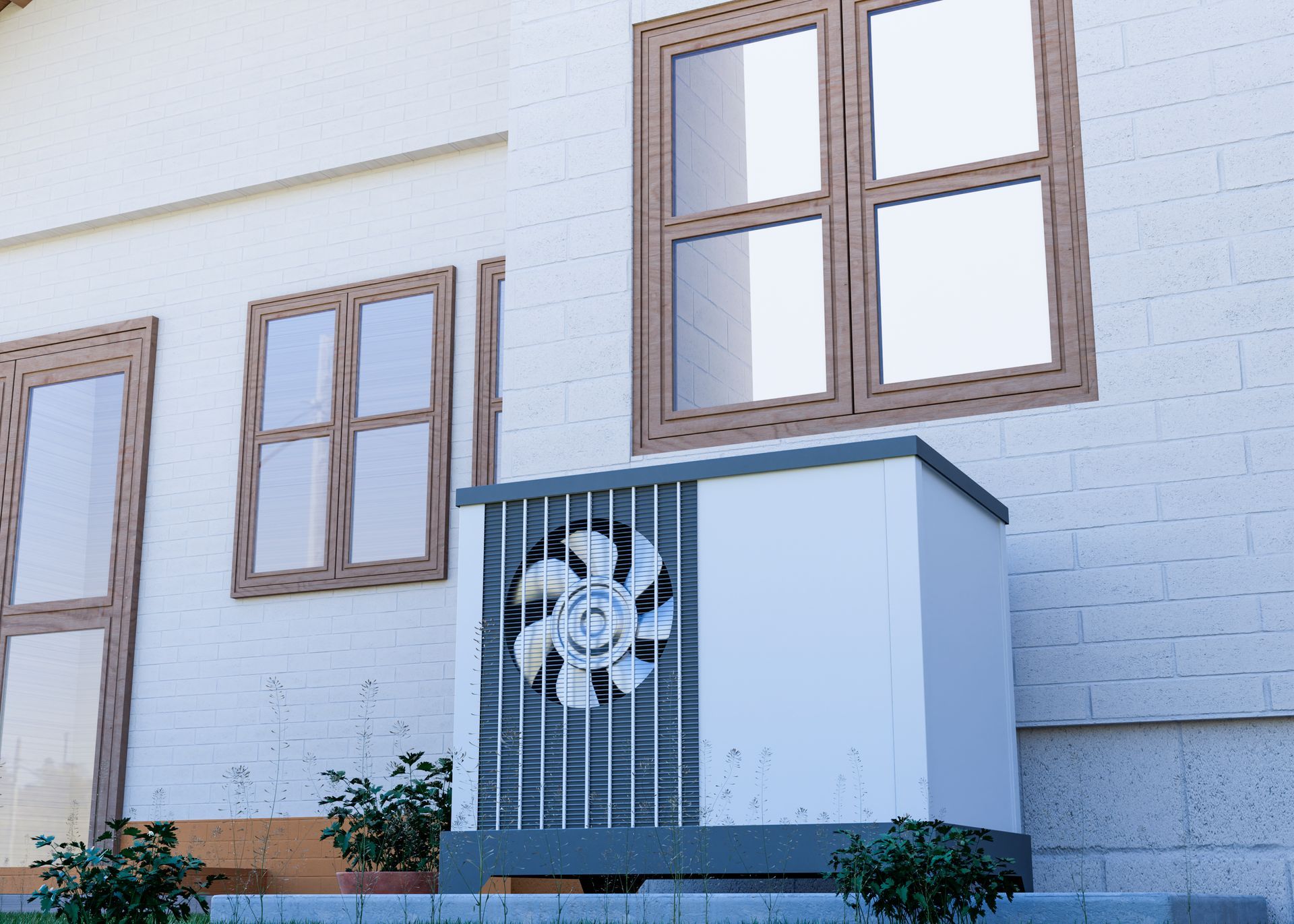
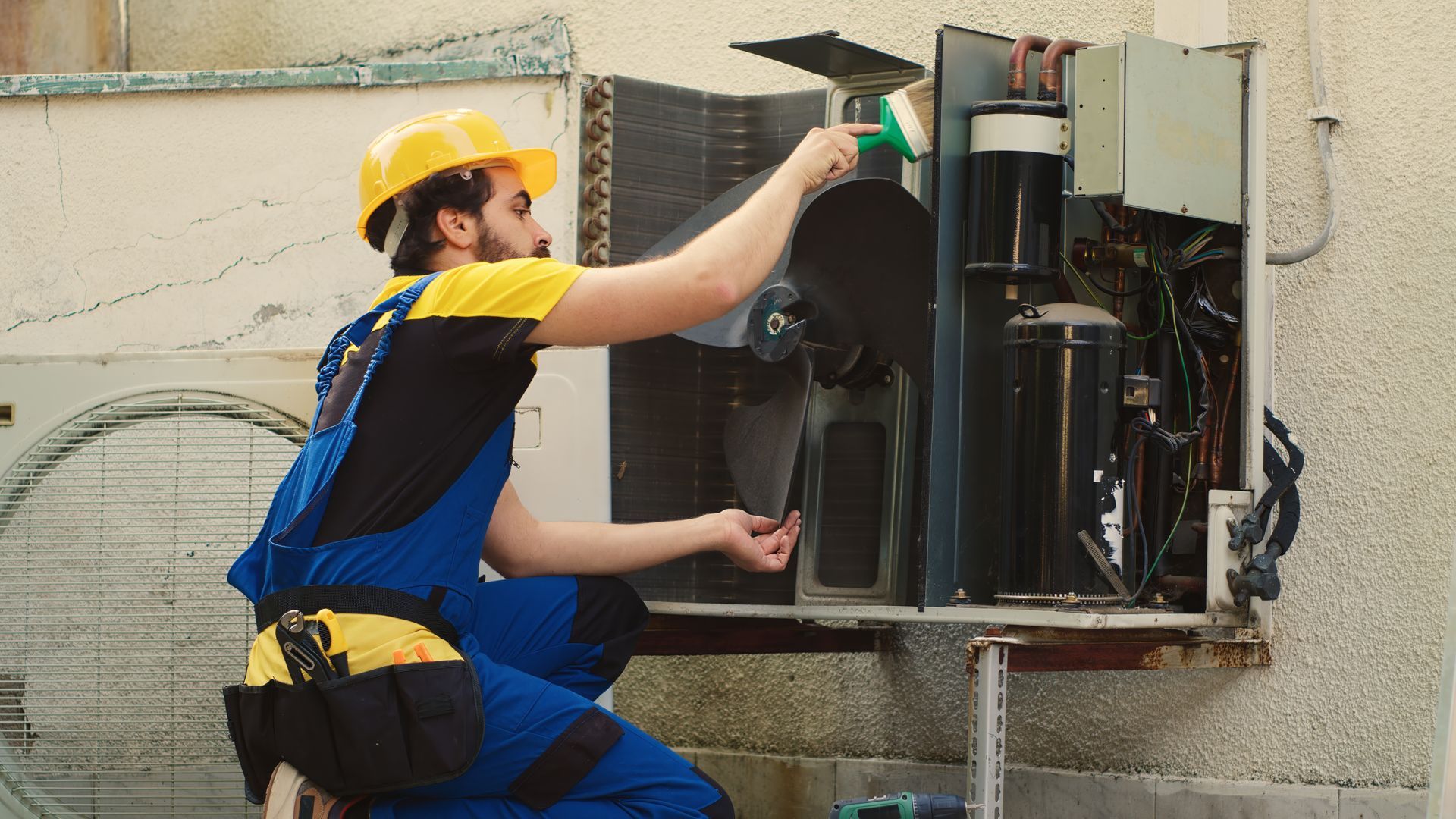
- Clear outdoor unit: Remove leaves, grass clippings, and debris around the condenser unit. Trim vegetation to allow at least 2 feet of clearance on all sides. Gently rinse the condenser coils with a garden hose; avoid high-pressure washers that can bend fins. Dirty coils prevent heat from escaping, so cleaning them annually improves cooling efficiency.
- Inspect condensate drain: Ensure the drain line (which carries away condensation) is clear. A clogged drain pan or line can cause water leaks and high indoor humidity. You can test it by pouring a small amount of water into the drain and confirming it flows freely.
- Check refrigerant lines: Examine the insulated refrigerant line for cracks or damage to the insulation. Damaged insulation or low refrigerant (from leaks) reduces efficiency. Refrigerant issues should be diagnosed and fixed by a pro, but visual checks can spot obvious damage.
- Test thermostat and controls: Verify the thermostat is set correctly (around 78°F when home) and that it switches between heating and cooling modes properly. Replace thermostat batteries yearly and consider upgrading to a programmable model for better control. Ensure vents aren’t closed off, and fan settings are correct.
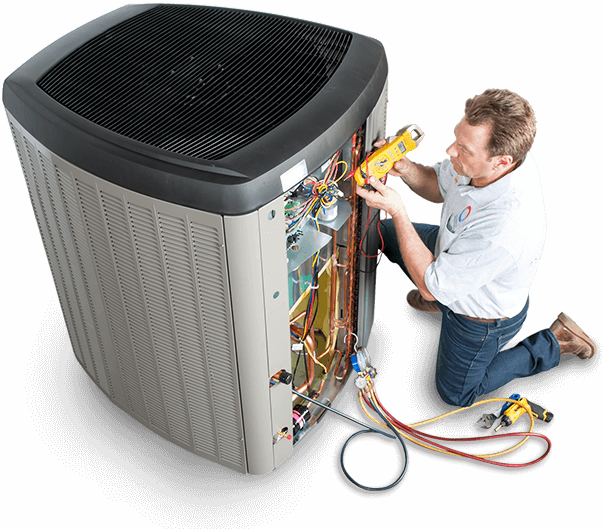
- Professional spring tune-up: Ideally, schedule a licensed technician to service your system in the spring. They will tighten electrical connections, lubricate moving parts, check refrigerant levels, and calibrate controls. A pro will also clean evaporator coils and inspect the overall system for wear or safety issues.
- Safety checks: Test smoke and carbon-monoxide detectors. Though mostly a concern in heating mode, any HVAC work should be accompanied by ensuring that basic safety devices function.
- Record-keeping: Note the date of each filter change, maintenance call, or issue found. Keeping a simple log (even photos of filter condition) helps track performance trends and provides valuable information to technicians on follow-up visits.
Recognizing Common Problems
Knowing the warning signs of HVAC trouble helps you act before a breakdown. Monitor your system for unusual behavior or performance issues. Catching problems early—such as refrigerant leaks or failing components—can save hundreds on emergency repairs and avoid lost cooling during a heatwave.
- Warm air from vents: If the system blows room-temperature or warm air instead of cold air, there may be a refrigerant leak, a failing compressor, or incorrect thermostat settings. This issue forces the AC to run longer, but still not cool properly.
- Uneven cooling: Noticeable temperature differences between rooms can indicate airflow problems. Examples include blocked ducts, a malfunctioning fan, or improper system sizing. Hot spots often reveal hidden leaks or imbalances in ductwork that need addressing.
- Noisy operation: Unusual sounds like grinding, buzzing, or rattling coming from the indoor or outdoor unit suggest mechanical issues. Loose parts, failing motors, or damaged fan blades often cause these noises. Any new or loud sound should be inspected promptly to prevent failure.
- Short cycling: If the AC frequently turns on and off rapidly (without reaching the setpoint), this short cycling can stress components. Causes include clogged filters, an oversized unit, a faulty thermostat, or electrical faults. Short cycling greatly reduces efficiency and life expectancy of the system.
- Water leaks or moisture: Pooled water around the indoor unit or outside condenser usually means a blocked condensate drain or frozen evaporator coil. Both need fixing immediately to prevent water damage and mold.
- High humidity or mold odors: The air conditioner dehumidifies as it cools. Persistent humidity or musty smells may mean the AC isn’t removing moisture effectively (possibly from a weak blower or low refrigerant).
- Rising energy bills: An unexpected jump in electric bills, without a change in use, often indicates HVAC inefficiency (e.g., dirty coils, leaking ducts, or aging parts). If other causes are ruled out, have the system inspected.
DIY Upkeep vs Professional Service
Some cooling upkeep can be handled at home, but most technical repairs require certified HVAC technicians. Homeowners should focus on simple, safe tasks and hire professionals for complex or hazardous work. This approach avoids injury, equipment damage, or voiding warranties.
- Safe DIY tasks: Homeowners can replace or clean filters, vacuum dust from vents, and clear debris around the outdoor unit. Lightly hosing the condenser fins or wiping the evaporator coil (with power off) is also OK if done gently. Check the thermostat’s batteries/settings and unclog the condensate drain pan if safely accessible.
- Limitations of DIY: Do not attempt tasks involving refrigerant, electrical connections, or complex mechanical adjustments. Mistakes such as bending coil fins, using the wrong cleaning solution, or mishandling wires can cause leaks, reduce efficiency, or create fire risks.
- When to call a pro: Any issues with refrigerant (e.g., low charge, leaks) or electrical components should be handled by a licensed HVAC technician. Professionals have the proper tools and training to diagnose and fix problems safely. For example, fixing a refrigerant leak or replacing a capacitor requires specialized equipment and knowledge.
- Local services: In the Temecula–Winchester area, look for licensed HVAC repair professionals when an emergency or complex repair is needed. For instance, hiring an HVAC repair technician in Winchester, CA, or in Temecula ensures the technician meets California’s licensing and environmental regulations. Licensed techs will also ensure any work (like adding refrigerant) complies with local codes.
- Cost of mistakes: DIY errors can end up costing more if they damage the system. Angi.com notes that improper coil cleaning or DIY tasks can cause refrigerant leaks or bent fins, which require professional rework. In general, tasks beyond filter changes, thermostat resets, and basic cleaning are best left to professionals.
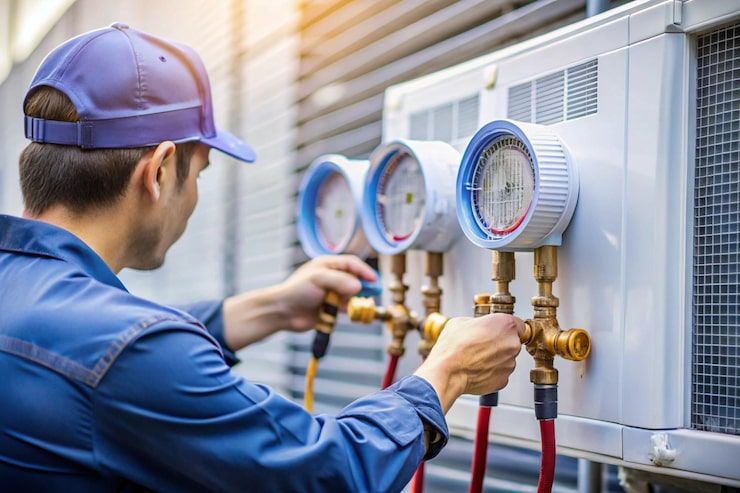
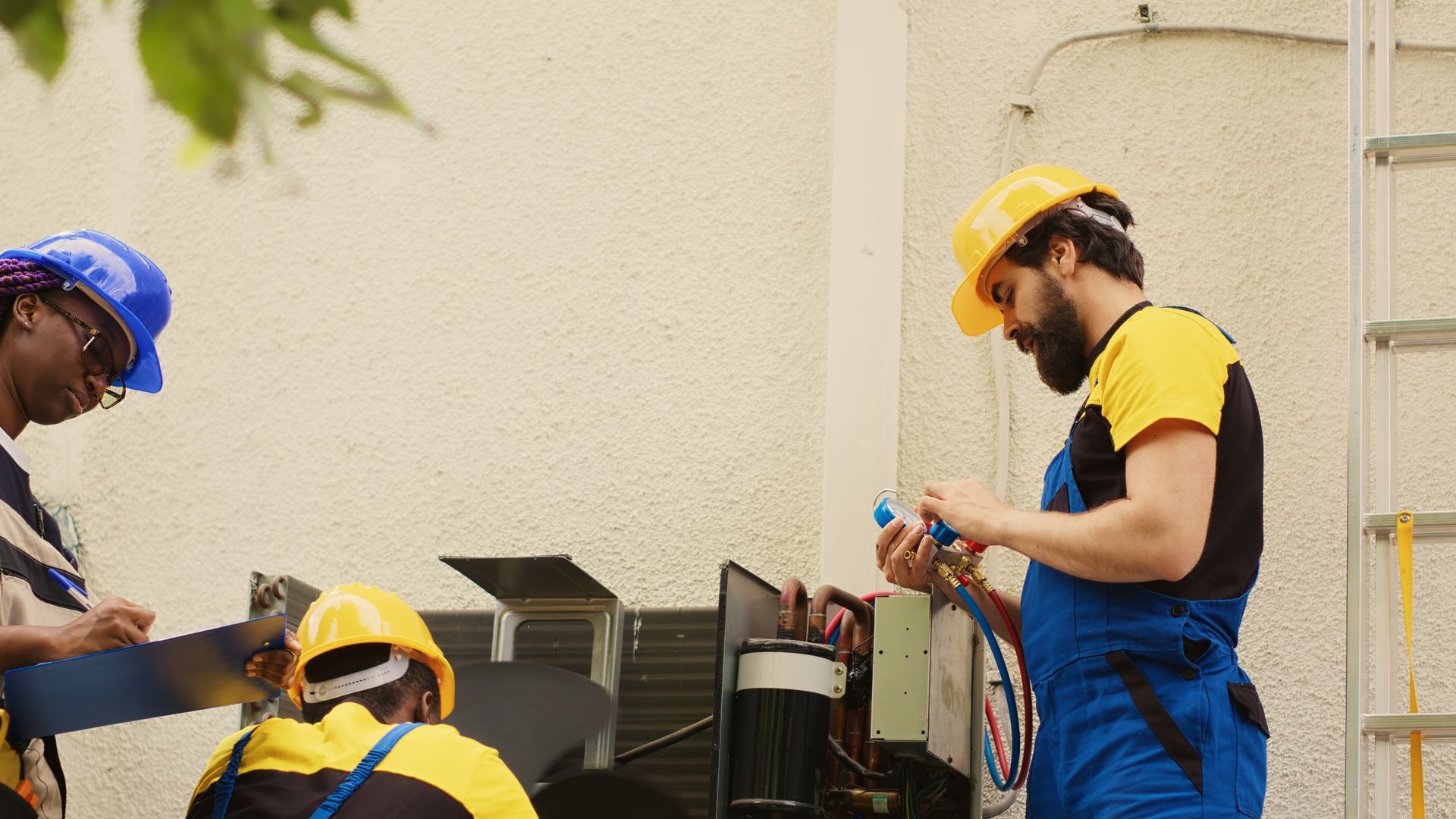
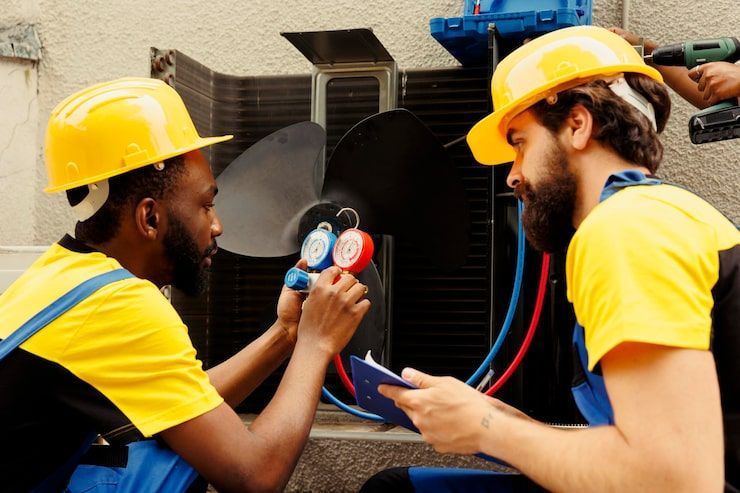
- Benefits of professional service: Trained HVAC technicians will perform a thorough inspection, testing components and airflow with accurate gauges. They can also offer maintenance plans, warranties, or financing options that DIY work cannot. Professional tuning typically includes tightening electrical connections, lubricating motors, and calibrating controls — essential for safe and efficient operation.
Enhancing Home Efficiency
Reducing heat gain and improving airflow can make your HVAC’s job easier. Many efficiency gains come from simple home adjustments and system upgrades. By optimizing insulation, sealing leaks, and managing thermostat settings, homeowners can stay comfortable without overworking the AC.
- Seal and insulate: Caulk or weatherstrip around doors and windows to stop cool air from escaping. Ensure the attic and walls have adequate insulation to block external heat. A cool attic (from good insulation) prevents heat from radiating down into living spaces.
- Ductwork and airflow: Inspect ductwork for holes or gaps. Sealing leaky ducts (with mastic or foil tape) can recover up to 20–30% of lost cooled air. Also, open or adjust vents to balance airflow between rooms; blocked or closed vents force the AC to overcool some areas. Properly insulated ducts (especially in attics or crawlspaces) keep air from warming before it reaches rooms.
- Thermostat programming: Use a programmable or smart thermostat. Set the temperature higher (5–10°F above normal) during times when the home is empty. ENERGY STAR suggests keeping the thermostat around 78°F when home and warmer when away; each degree higher can save several percent in cooling costs. Smart thermostats can automate these changes.
- Ventilation and fans: Use ceiling or portable fans to improve circulation, allowing you to feel comfortable at a higher thermostat setting. Fans consume far less electricity than AC, so using them in occupied rooms can greatly reduce AC runtime.
- Sun and heat sources: Close curtains or blinds on sun-facing windows during the hottest parts of the day. Switch incandescent bulbs (which produce heat) to cool-running LEDs. Try to run ovens, dishwashers, and clothes dryers during cooler evening hours if possible.
- Air quality filters: In smoke-prone regions (e.g., wildfire season,) use high-quality HVAC filters or portable purifiers to keep smoke particles from reducing air quality. Cleaner air means less strain on the AC’s filter.
Upgrades and Replacement Planning
If an HVAC system is old or inadequate, upgrading or replacing equipment can be the most cost-effective solution in the long run. Modern systems offer better efficiency and reliability, but deciding when to replace involves weighing age, repair history, and budget.
- System age: HVAC units typically last 10–15 years with good care. By year 8–10, plan to evaluate your system. Frequent breakdowns, rising repair costs, or use of outdated refrigerants (like R-22, which is phased out) signal time for replacement. An older unit often incurs higher repair costs since parts become scarce.
- Efficiency improvements: New air conditioners have much higher SEER ratings (efficiency) than units sold a decade ago. Upgrading can cut energy use significantly, which may justify the upfront cost if you plan to stay in the home long-term. High-efficiency or variable-speed systems are especially effective in long cooling seasons.
- Comfort features: Consider upgrades like a programmable thermostat, zoning systems (which cool only occupied areas), or improved filtration. Heat pump models can both cool and heat, which may be appealing if upgrading the entire system. Make sure any replacement is sized correctly for your home and climate.
- Financing and rebates: Investigate local incentives – California often offers rebates or tax credits for installing energy-efficient HVAC equipment. Financing options can spread the cost of a new system over time. Balance these savings against the remaining life of your old system.
- Cost vs. longevity: Common AC repairs in California range from $150–$1,200. For instance, a capacitor or thermostat fix may be a few hundred dollars, whereas replacing a compressor can exceed $2,000. If your unit is old and a major component fails, replacement is often more cost-effective than repairing. Plan purchases (ideally outside peak season) to avoid urgent decisions during a heatwave.
- Professional assessment: A trusted HVAC company can evaluate whether repair or replacement is warranted. They will consider your system’s age, efficiency, and repair history. Starting conversations by year 8 reduces last-minute emergencies and lets you budget for a new unit calmly.
Scheduling Maintenance and Repairs
Scheduling HVAC service at the right times ensures continuous cooling and can save money. Early-season maintenance is always cheaper and more available than emergency summer repairs.
- Spring tune-up: Arrange an AC inspection and service in spring, before the heat arrives. Technicians are generally less booked, so you’ll get prompt service. This timing allows any issues to be fixed before the system faces a heavy load. ENERGY STAR recommends scheduling cooling system check-ups in the spring and heating checks in the fall.
- Regular filter changes: Even if you can’t call a pro monthly, change filters on schedule (every 1–3 months). Mark calendar reminders or notes on your phone. Don’t wait until the filter is fully clogged. A clear timeline prevents airflow problems.
- Monitor performance: If the AC runs unusually long or makes odd noises at any point, don’t delay calling for service. During peak summer demand, repair calls can have longer wait times and higher emergency rates. For reference, emergency service costs can run 30–50% above normal rates.
- After heavy use: Consider a mid-summer check if your system has been under unusually heavy use (for example, after a weeklong heatwave). Catching any wear early can prevent failure later in the season.
- Time estimates: Minor repairs (replacing a filter, capacitor, or thermostat) typically take 1–2 hours and can often be done same-day. Major repairs (like a compressor swap) may require ordering parts and multiple hours of labor, so act quickly when issues are noticed.
- Maintenance contracts: If available, service plans that include bi-annual inspections (cooling and heating) can ensure you don’t forget maintenance. These plans sometimes include reduced diagnostic fees and priority scheduling.
Conclusion
A hot California summer makes diligent HVAC care essential. By following a thorough maintenance checklist and responding promptly to warning signs, homeowners can prevent breakdowns, control costs, and maintain comfort. Planning for repairs or replacement well before peak heat arrives offers clear decision-making and peace of mind. This guidance, supported by HVAC professionals like Kj’s Heating and Air, helps California homeowners keep their cooling systems reliable and efficient through the hottest months of 2026.
Frequently Asked Questions
How often should I have my HVAC system serviced for summer?
Plan a professional tune-up once a year, ideally in spring before the cooling season. In between, check and replace filters every 1–3 months. Regular inspections and timely filter changes help maintain efficiency.
What are the common signs my air conditioner needs repair?
Warning signs include warm air coming from the vents, uneven temperatures, strange noises, water leaks, frequent on/off cycling, and rising energy bills. These symptoms often mean issues like refrigerant leaks, blocked airflow, or failing parts that should be repaired before complete failure.
Can I clean my AC coils, or should I hire a professional?
Light cleaning (like removing surface debris and gently hosing the condenser coil) is a doable DIY task if you power off the system. However, deep coil cleaning or repairs should be left to professionals. Incorrect DIY cleaning can damage fins or harm the refrigerant system. It’s safest to have a technician clean coils annually.