Heating and Cooling Challenges for Temecula Area Homes
Temecula and Murrieta lie in Southern California’s inland valley, where summers are typically hot and dry, and winters are mild. Average summer highs reach the upper 80s°F, and winter lows dip into the 40s°F. The region’s low humidity means cooling systems focus on lowering temperature rather than removing moisture. Wildfire smoke and dust are common in Southern California; airborne particles from fires or seasonal winds can infiltrate homes, clogging filters and reducing indoor air quality. Day–night temperature swings also occur, so a system may need to cool the home during hot afternoons and still provide heat on cool evenings.
- The Temecula/Murrieta area has a Mediterranean semi-arid climate: hot summers and cool winters (nighttime lows around 42°F in December).
- Low humidity year-round (often below 20–30%) means AC units perform mainly sensible cooling. Systems spend less energy on dehumidification, but they must handle high cooling loads during heatwaves.
- Wildfire smoke and dust can carry into homes. Particulate matter from fires or desert winds clogs HVAC filters quickly, so homeowners should expect more frequent filter changes and consider higher-rated filters or air purifiers.
- Sun exposure and heat gain drive cooling needs. Direct sunlight on roofs and windows can significantly heat indoor spaces, so shading and good attic insulation help reduce peak cooling demand.
Shortly, these environmental factors mean Temecula-area HVAC systems must be robust yet efficient. Systems need to handle high peak loads while addressing dust and air quality issues. Preventive steps like landscaping for shade, sealing ducts, and using high-efficiency equipment pay off by reducing stress on the system and keeping energy use in check.
Summer Cooling and Air Conditioning
Air conditioning is essential during Temecula’s hot summers. Newer homes typically have central AC or heat-pump systems sized to cope with the local peak load, while some older or custom homes use ductless mini-splits for zoned cooling. Proper sizing and efficiency ratings are critical for performance.
- High cooling demand: With summer highs often in the mid-to-upper 80s and heat waves above 90°F, a properly sized AC unit is crucial. A unit sized too small will run continuously without reaching the set temperature; oversizing can cause short cycling and humidity issues. Professional load calculations ensure the system matches the home’s needs.
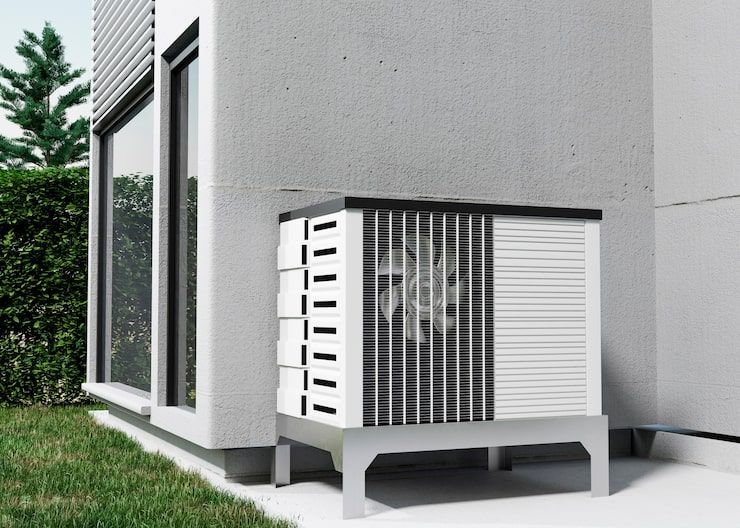
- Equipment options: Central split-system air conditioners and ducted heat pumps are common, both providing reliable cooling. Ductless mini-splits offer flexibility and allow zoning of different rooms. High-efficiency models can reduce energy use significantly. In contrast, water-based evaporative coolers are not recommended here – the very low humidity and water scarcity in Southern California make them ineffective.
- Efficiency features: Modern ACs with variable-speed compressors and multi-stage cooling save energy during mild days. Units with SEER ratings above 16 can cut cooling electricity by ~30–40% compared to older 10–12 SEER models. While higher SEER units cost more upfront, the energy savings recoup the investment over time. California and federal programs may offer rebates or tax credits for installing high-efficiency air conditioners.
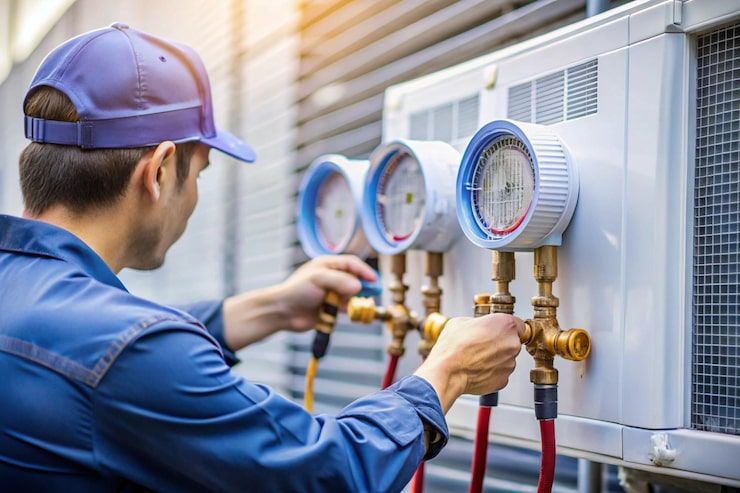
- Installation and design: Ductwork must match the cooling load – leaks or poor insulation can waste 20–30% of cooled air. Insulating ducts in the attic and sealing all joints greatly improves efficiency. Proper refrigerant charge and clean evaporator coils also maintain performance. Neglecting these steps forces the compressor to work harder, raising energy bills.
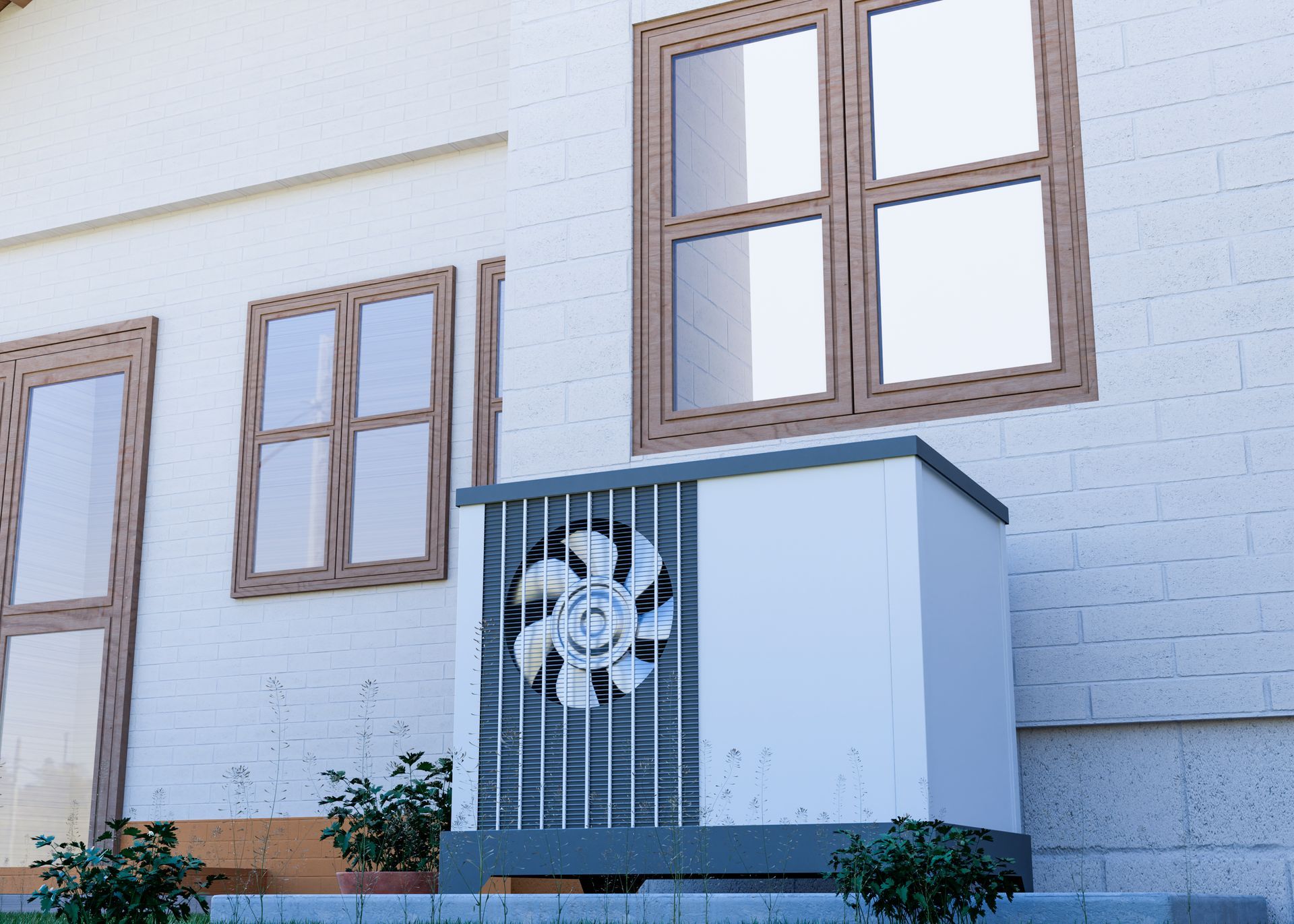
- Mistakes to avoid: Blocking return vents or outdoor unit airflow limits cooling. Homeowners should keep at least 2 feet of clearance around outdoor units and ensure house vents aren’t obstructed by furniture. Skipping annual AC tune-ups often leads to unnoticed refrigerant leaks or clogged coils. Setting thermostats at very low temps can overwork the system; using a programmable thermostat to raise the setpoint by a few degrees during peak heat can cut runtime with little comfort loss.
In practice, successful summer cooling combines efficient hardware and good home design. For example, well-sealed ducts and reflective roofing can reduce AC runtime, and routine maintenance prevents efficiency losses. This balanced approach yields steady comfort and manageable energy bills during Temecula’s long cooling season.
Winter Heating and System Options
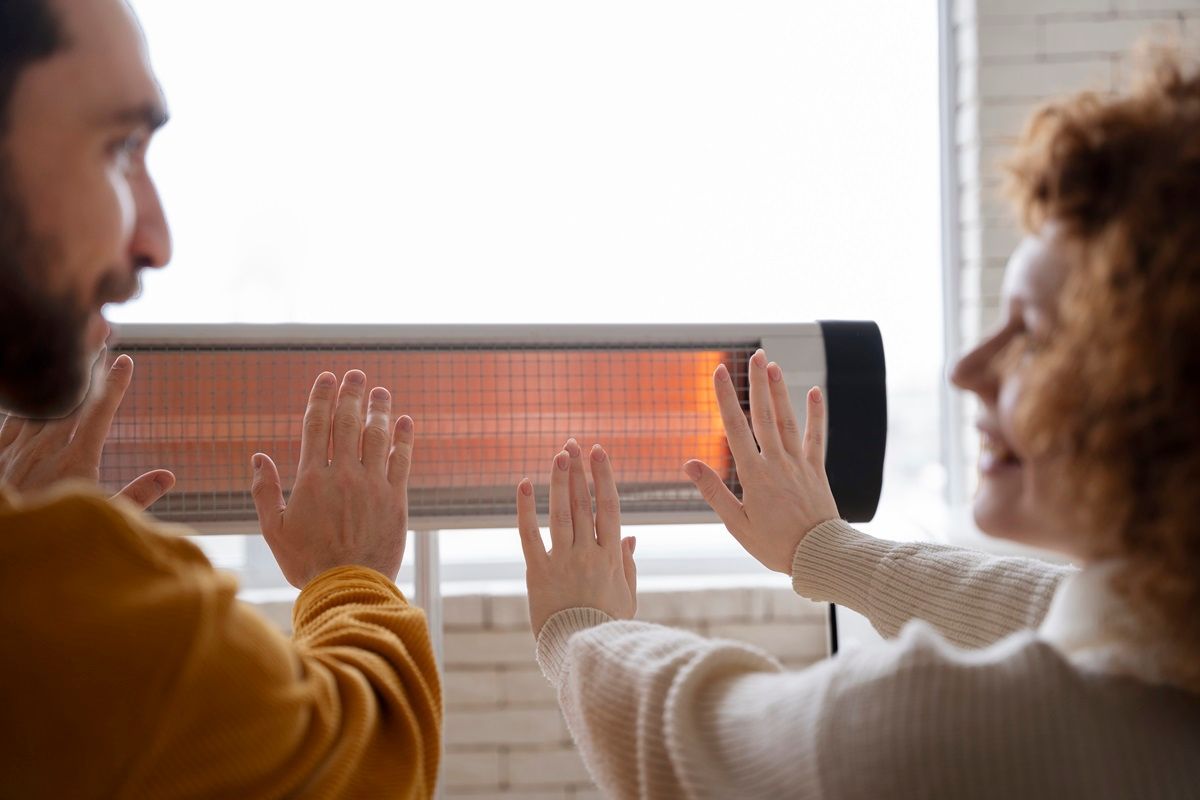
Winters in Temecula/Murrieta are mild, but heating is still needed during cool nights and mornings. Homes often have natural gas furnaces or electric heat pumps. The choice depends on existing fuel lines, energy costs, and system age.
- Heating load: Average winter nights fall into the low 40s°F, so heating demands are relatively light. Most homes only need heat for sleeping hours or brief cold snaps. Unlike in northern climates, furnaces in Temecula are used intermittently; this can allow dust to accumulate in ducts and on burners, sometimes causing a dusty “burn-off” smell on first use of the season. Planning a filter change and a brief test-run before a cold night helps prevent surprises.
- Furnace vs. heat pump: Gas furnaces provide strong heat output and may cost less per BTU if natural gas is inexpensive, whereas heat pumps use electricity to move heat and also supply cooling. In Southern California’s moderate winters, heat pumps are often efficient because they “pump” heat from outside into the home and can reach 300–400% efficiency at mild temperatures. Gas furnaces have longer lifespans and excel in cold snaps, but utility rates and fuel availability heavily influence operating costs. Dual-fuel systems offer flexibility: use the heat pump for normal days and switch to gas when it gets particularly chilly.
- Efficiency and sizing: Like AC, heating systems must be properly sized. An oversized furnace can short-cycle, wasting fuel and wearing parts, while an undersized system may struggle on cold nights. Modern high-efficiency furnaces (AFUE 90%+) and heat pumps (HSPF 8–10+) can shrink energy bills. Upgrading an old furnace or pump can improve fuel efficiency by up to ~30%. Homeowners should evaluate whether to repair aging equipment or invest in new high-efficiency units, considering long-term savings.
- Maintenance and common problems: Because heating runs less often, simple issues can become serious. For example, dirty air filters or closed vents can lead to “short cycling” (the furnace turns off before reaching the thermostat setpoint). This wastes energy and heats unevenly. Other seasonal issues include pilot light or ignition failures (more common in older furnaces) and worn belts or bearings that produce unusual noises. Proactive checks – testing the thermostat, replacing filters (see below), and verifying that flues/vents are clear – reduce the chance of mid-winter breakdowns.
- Costs and trade-offs: Natural gas is often cheaper per unit of heat in Southern California, but electricity prices and environmental goals are encouraging heat-pump adoption. Gas furnaces avoid electricity outages (they can run on standby power) and provide instant heat, but they emit combustion byproducts. Heat pumps run quietly and double as AC, but typically have shorter lifespans. Homeowners should weigh fuel costs, repair history, and usage patterns. For many Temecula-area homes, a high-efficiency furnace or a heat pump can work well if properly maintained.
In summary, heating in Temecula-area homes is focused on reliability and efficiency, given the intermittent use. The best choice depends on cost, existing infrastructure, and personal preference. Regardless, prompt maintenance (filter changes, yearly tune-ups) is crucial to prevent minor issues from interrupting home comfort on a cold night.
Indoor Air Quality and Humidity Control
Maintaining good indoor air quality (IAQ) is especially important in Temecula/Murrieta because low humidity and high dust levels can impact comfort and health. While air conditioning and heating control temperature, homeowners must also manage dryness, particulates, and ventilation.
- Low indoor humidity: The outdoor air is very dry (winter dewpoints often 40s°F or lower), so indoor air can become uncomfortably arid. Dry air can irritate skin and sinuses. Many homeowners install whole-house humidifiers or use portable units in winter to raise indoor humidity to a comfortable 30–50%. Properly adding moisture can also prevent wood floors and furniture from shrinking. However, excessive humidity is rare here, so dehumidifiers are generally unnecessary.
- Dust and particulates: Fine dust from the desert environment and wildfire smoke can accumulate in homes. Furnaces or AC systems circulate this air. A clean, high-efficiency (e.g., MERV 13+) filter is important to trap dust and allergens. During wildfire episodes, it’s best to run HVAC on “recirculate” to filter indoor air and keep windows closed. Some residents add air purifiers (HEPA or UV) to the HVAC return or use portable units to capture finer particles and pathogens. Regular vacuuming and dusting also help reduce airborne contaminants.
- Filter maintenance: Because of the climate’s dust, filters should be checked monthly and replaced or cleaned every 1–3 months, even more frequently if there is heavy dust or smoke. A clogged filter restricts airflow and can circulate dust back into the rooms. Many users set reminders (e.g, seasonal calendar or maintenance service) to replace filters before spring dust storms or the winter heating season.
- Ventilation and fresh air: Modern homes in Temecula tend to be well-sealed for efficiency, which means less natural ventilation. To keep indoor air fresh, homeowners can occasionally open windows when the outdoor air is clean. Mechanical solutions include energy-recovery ventilators (ERVs) or heat-recovery ventilators (HRVs), which bring in fresh air with minimal energy loss. Although not strictly required in this climate, adequate ventilation helps remove indoor pollutants (cooking fumes, VOCs) that can build up.
- IAQ mistakes: Ignoring indoor air quality is common, but it can have health consequences. For example, running the furnace without cleaning ducts or filters can blow trapped dust and mold spores throughout the house. Using low-quality filters (or leaving them dirty) reduces air cleaning. Overlooking humidity control can lead to static electricity, sore throats, or aggravated allergies. Regularly inspecting vents and keeping equipment clean ensures heating and cooling improve comfort without spreading contaminants.
Ultimately, balancing temperature control with humidity and filtration keeps the indoor environment healthy. By installing proper filters, considering air-cleaning upgrades, and maintaining equipment, Temecula-area residents can minimize dust and dryness issues even during extended heating or cooling cycles.
Ductwork, Insulation, and Airflow
Efficient air distribution and a well-insulated home envelope are essential to maximize HVAC performance. Even the best heating/cooling system can waste energy if ducts leak or home insulation is poor.
- Duct leakage: In a typical home, about 20–30% of conditioned air is lost through leaks, holes, or poor connections in the ductwork. In Temecula’s heat or cold, these losses translate directly to higher energy use and uneven temperatures. Sealing ducts with mastic or metal tape (never regular duct tape) and insulating any ducts in attics or crawl spaces can recover much of this lost energy. Professional duct testing (blower door/duct blaster) can quantify leaks and guide repairs.
- Insulation and air sealing: Proper insulation in the attic, walls, and under floors limits heat gain and loss through the building envelope. A well-insulated ceiling and walls keep indoor temperatures stable, reducing HVAC runtimes. Air sealing around windows, doors, and wall penetrations (plumbing vents, electrical chases) prevents drafts that force the system to run more. In Temecula’s climate, reflective roof coatings or ventilated attics are additional measures to cut solar heat gain.
- Vent and register management: Even with sealed ducts, airflow can be limited by closed or blocked vents. Each room’s return and supply registers should be open and unobstructed by furniture, curtains, or rugs. Good airflow ensures even comfort and prevents the system from overworking. Balancing dampers (if present) and verifying that all rooms reach set temperatures can help identify duct issues.
- Indoor ventilation: As noted, introducing fresh air helps dilute indoor pollutants, but too much uncontrolled ventilation (e.g., leaving doors/windows open while HVAC runs) can waste energy. Heat-recovery ventilation units provide fresh air with minimal loss; though an extra expense, they are useful in new, tightly built homes.
- Faults to avoid: Common mistakes include running the HVAC fan continuously with open windows (wastes energy) or neglecting attic insulation in new construction. Flat or kinked flexible ducts should be replaced or straightened to avoid airflow restriction. Also, never run portable heaters or cooling boxes through large cracks in the wall or sash, which bypass HVAC altogether.
In practice, homeowners should inspect and address building-envelope issues whenever HVAC problems arise. Simple actions like sealing a visible duct gap, adding attic insulation, or cleaning under blocked vents can significantly improve comfort and reduce utility costs.
Conclusion
Heating and cooling in Temecula & Murrieta region must account for hot, dry summers and mild winters. Homes benefit from efficient air conditioners and properly maintained heating systems that handle dust and low humidity. Informed choices about equipment and diligent upkeep lead to consistent comfort and manageable energy use. Local experience – for example, from Kj’s Heating And Air – underscores that prevention (filter care, duct sealing, timely tune-ups) and correct sizing yield the most reliable, cost-effective HVAC performance in this climate.
Frequently Asked Questions
Is a heat pump or a gas furnace better for Temecula winters?
Temecula winters are mild (lows typically in the 40s°F), so an electric heat pump is often sufficient and energy-efficient. Heat pumps can provide heating and cooling and run efficiently in these moderate winters. Gas furnaces deliver strong heat output, but fuel and electric rates will determine operating cost. Homes with existing gas lines may lean on a furnace, while homes switching to all-electric often choose heat pumps. Either option should be high-efficiency and properly sized to avoid waste.
What maintenance can improve HVAC efficiency and lower bills?
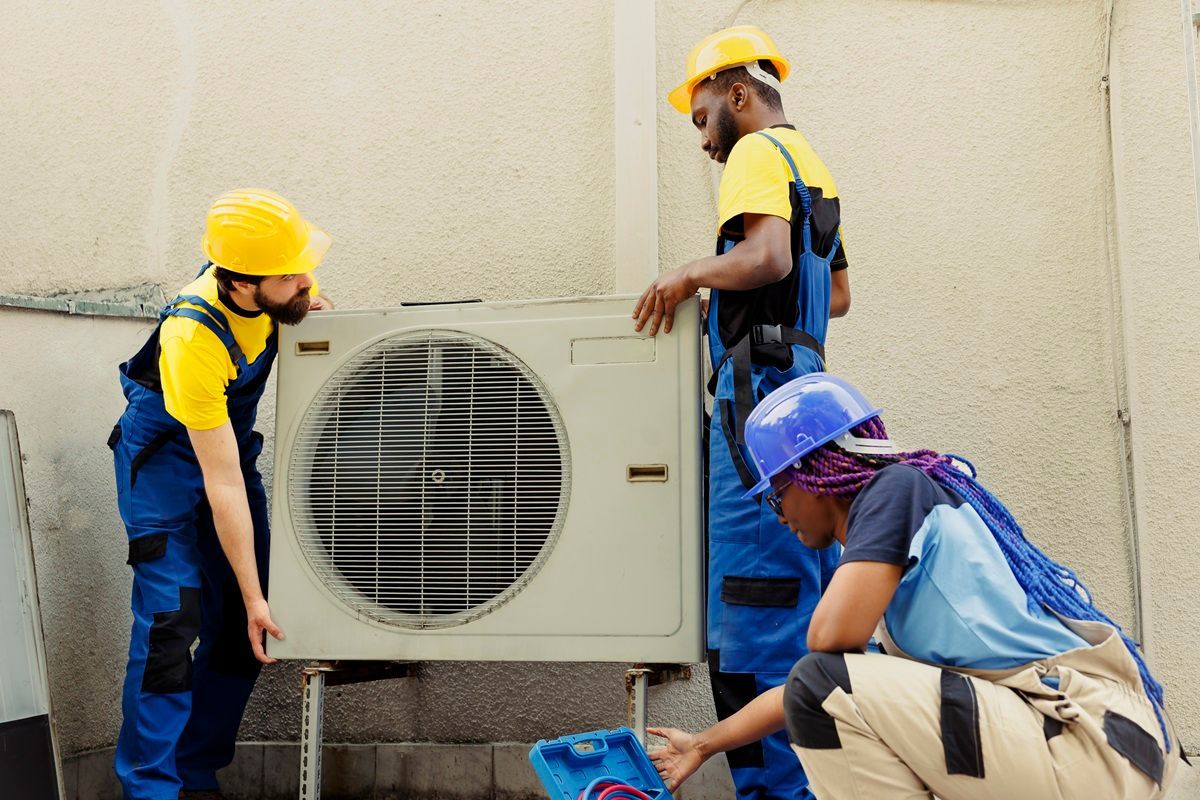
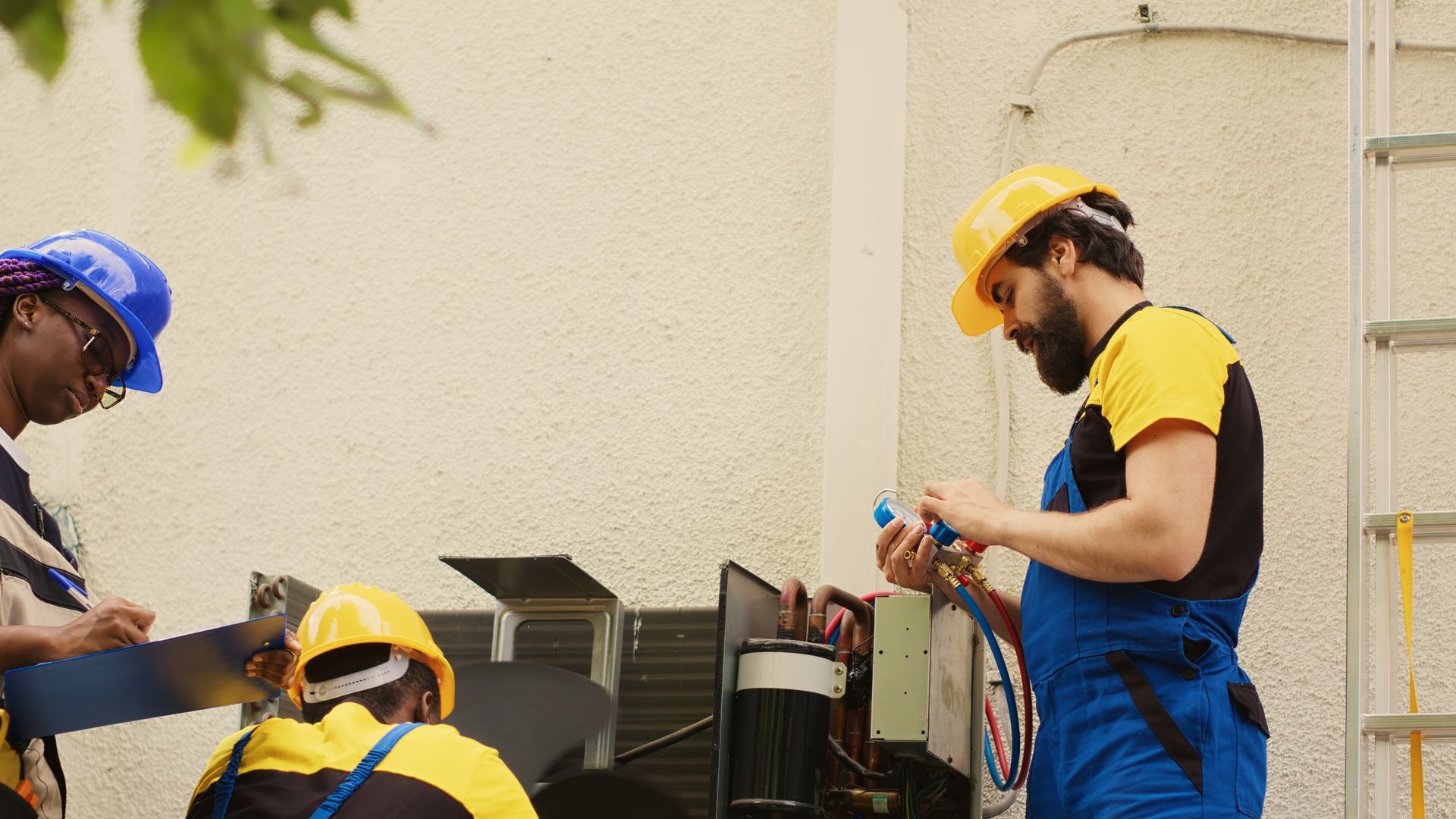
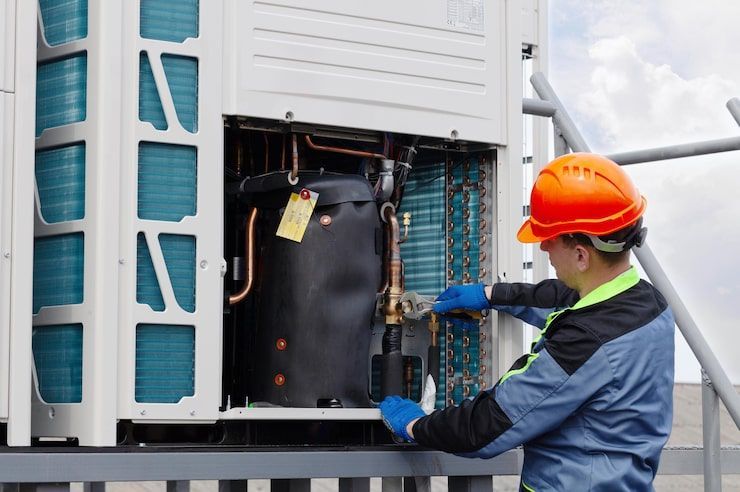
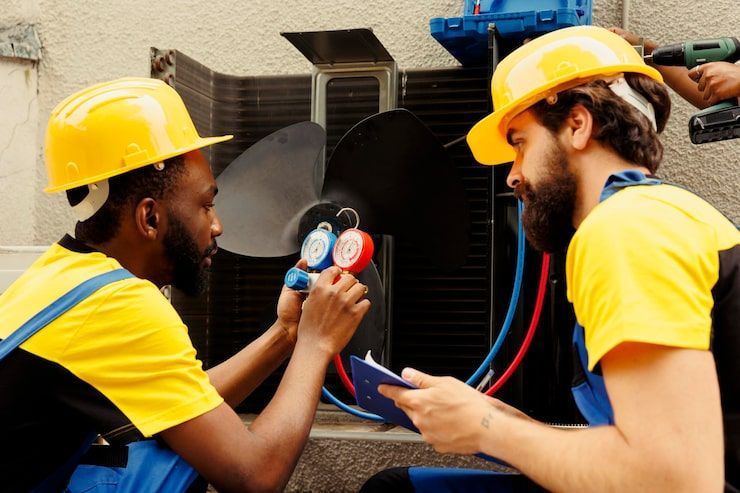
Regular tune-ups (annually) are key. A technician should clean coils, check refrigerant and burners, and verify airflow. Homeowners should also clean coils (if DIY capable), replace filters as noted, and keep vents open and unobstructed. Sealing duct leaks (which commonly waste ~20–30% of air) and adding attic insulation reduces workload on the system. Upgrading to a higher SEER AC or better furnace can also slash bills, especially if you take advantage of available rebates.