The Ultimate Guide to Choosing the Right Heat Pump for Your Home
Creating a comfortable home environment is no longer just about staying warm in winter or cool in summer; it’s about doing both efficiently and affordably. That’s where heat pumps are gaining attention. More homeowners are turning to this all-in-one solution for reliable comfort and energy savings. With rising energy costs and increasing awareness of eco-friendly options, heat pumps have become a smart investment for modern households.
If you’ve been exploring options like heat pumps in Carlsbad, CA, or researching heating and cooling in Winchester, you’re already on the right track. This guide will walk you through everything you need to make a confident and informed decision.
Understanding Heat Pump Systems
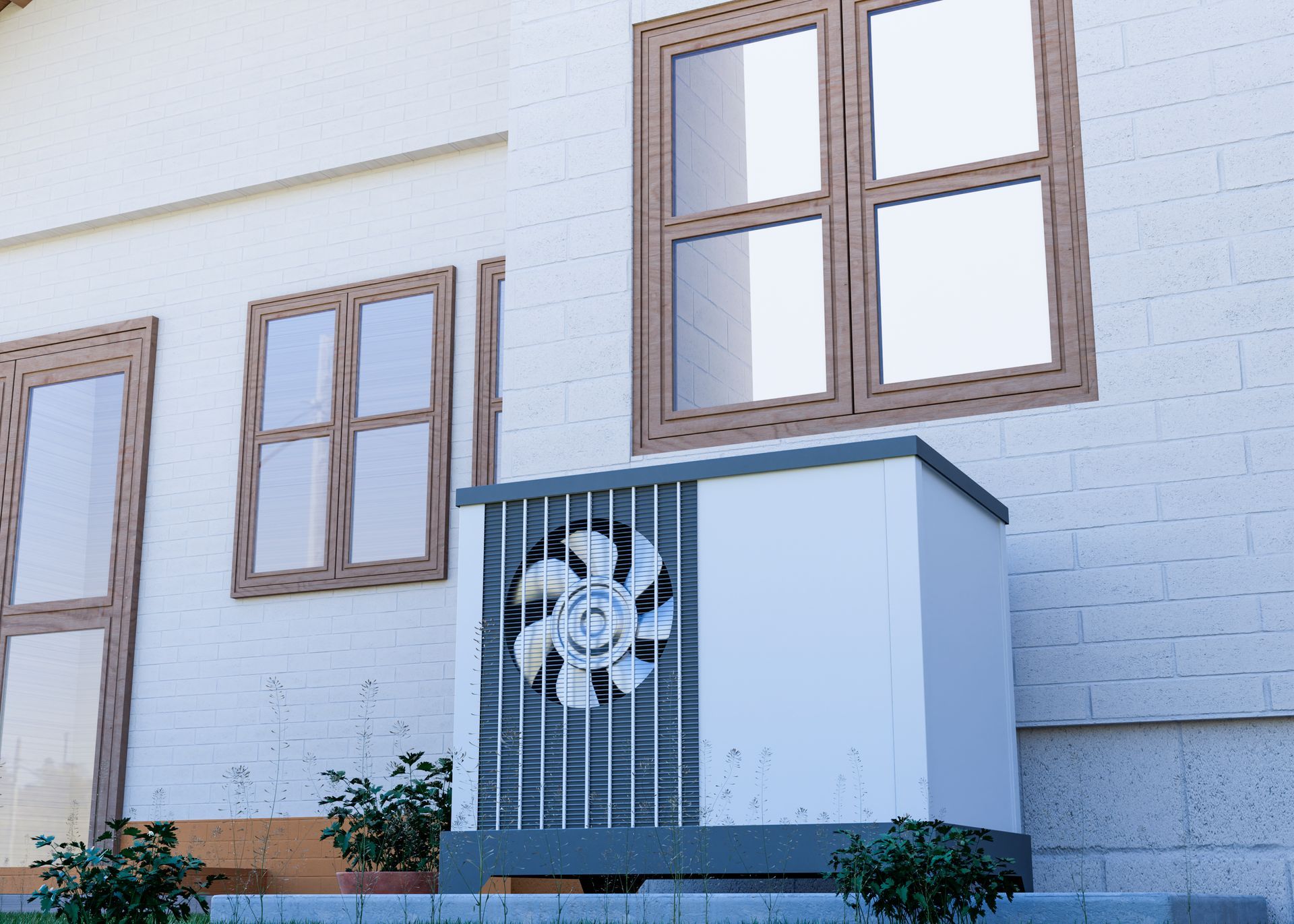
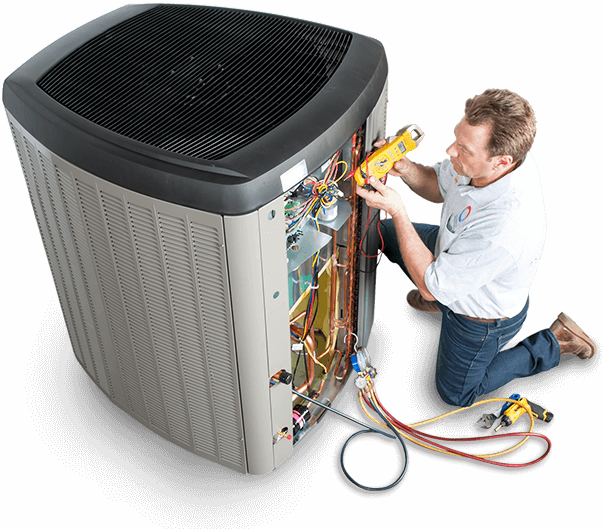
Heat pumps work by transferring heat rather than generating it. In winter, they pull warmth from the outside air and bring it indoors. In summer, they reverse the process, removing heat from your home to keep it cool.
This dual functionality makes them an efficient alternative to traditional HVAC systems. Instead of separate units for heating and cooling, you get a single system that handles both.
Types of Heat Pumps Available
Choosing the right system starts with understanding the different types available.
Air-Source Heat Pumps
These are the most common and cost-effective options. They work well in moderate climates and are relatively easy to install.
Ground-Source (Geothermal) Heat Pumps
These systems use the Earth’s stable underground temperature. They’re highly efficient but require a larger upfront investment and space for installation.
Ductless Mini-Split Systems
Perfect for homes without existing ductwork, these systems allow for zoned heating and cooling, giving you more control over individual rooms.
Each option has its strengths, and the best choice depends on your home’s layout, climate, and budget.
Comfort and Energy Savings Benefits
One of the biggest reasons homeowners switch to heat pumps is efficiency. Because they transfer heat instead of generating it, they use significantly less energy.
This translates into:
- Lower monthly utility bills
- Consistent indoor temperatures
- Reduced environmental impact
For families juggling comfort and cost, this balance is hard to beat. Many homeowners exploring heat pumps in Carlsbad CA report noticeable savings within the first year of use.
Energy Efficiency Ratings Made Simple
When comparing systems, you’ll come across terms like SEER (Seasonal Energy Efficiency Ratio) and HSPF (Heating Seasonal Performance Factor). These ratings indicate how efficiently a heat pump operates.
Higher numbers generally mean better efficiency and lower energy consumption. While high-efficiency units may cost more upfront, they often pay off over time through reduced energy bills.
Think of it like buying a fuel-efficient car; you spend a bit more initially, but save in the long run.
Cost Considerations and Budget Planning
The cost of a heat pump system can vary depending on several factors:
- Type of system
- Size of your home
- Installation complexity
- Existing ductwork
Air-source systems are typically the most affordable, while geothermal systems come with higher installation costs but long-term savings.
It’s also worth checking for rebates or incentives in your area. These programs can significantly reduce the overall cost.
Working with experienced professionals like KJ’s Heating and Air can help you understand your options and avoid unexpected expenses.
Installation Factors That Matter
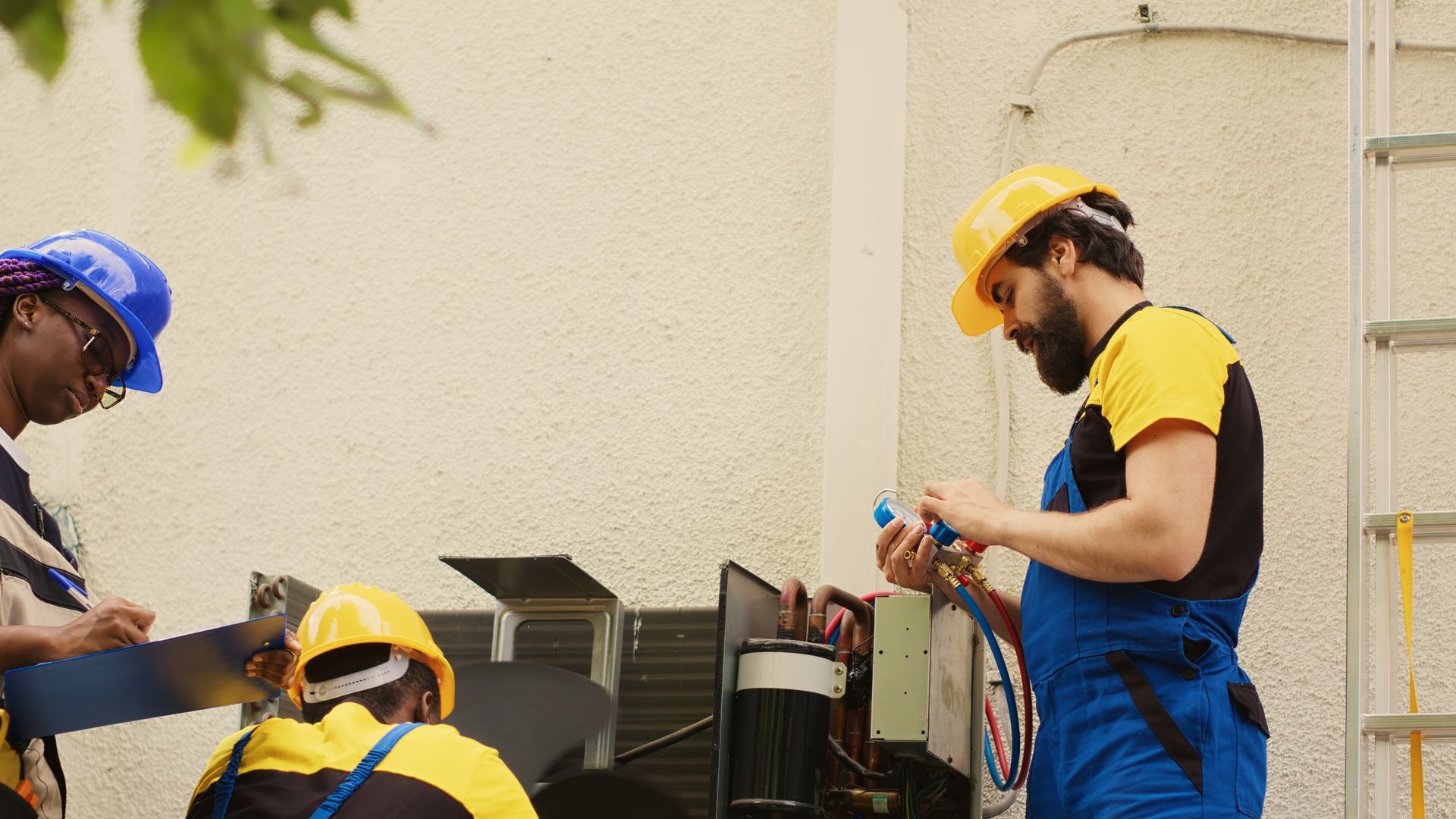
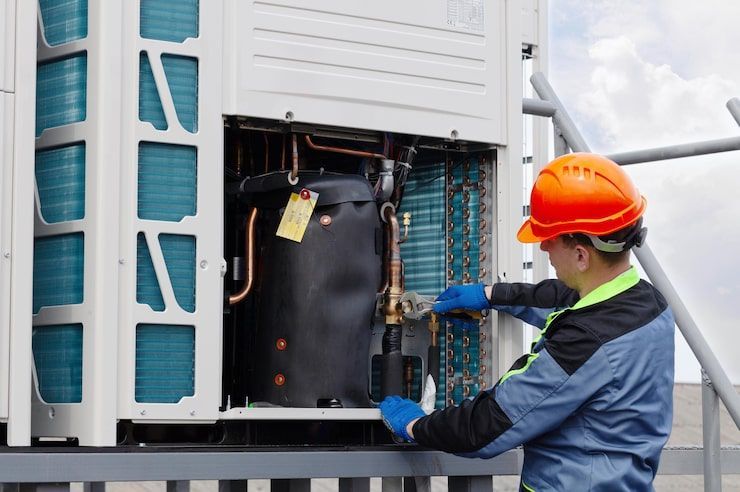
Proper installation plays a huge role in performance. Even the best system won’t deliver optimal results if it’s not installed correctly.
Key factors include:
- Accurate system sizing
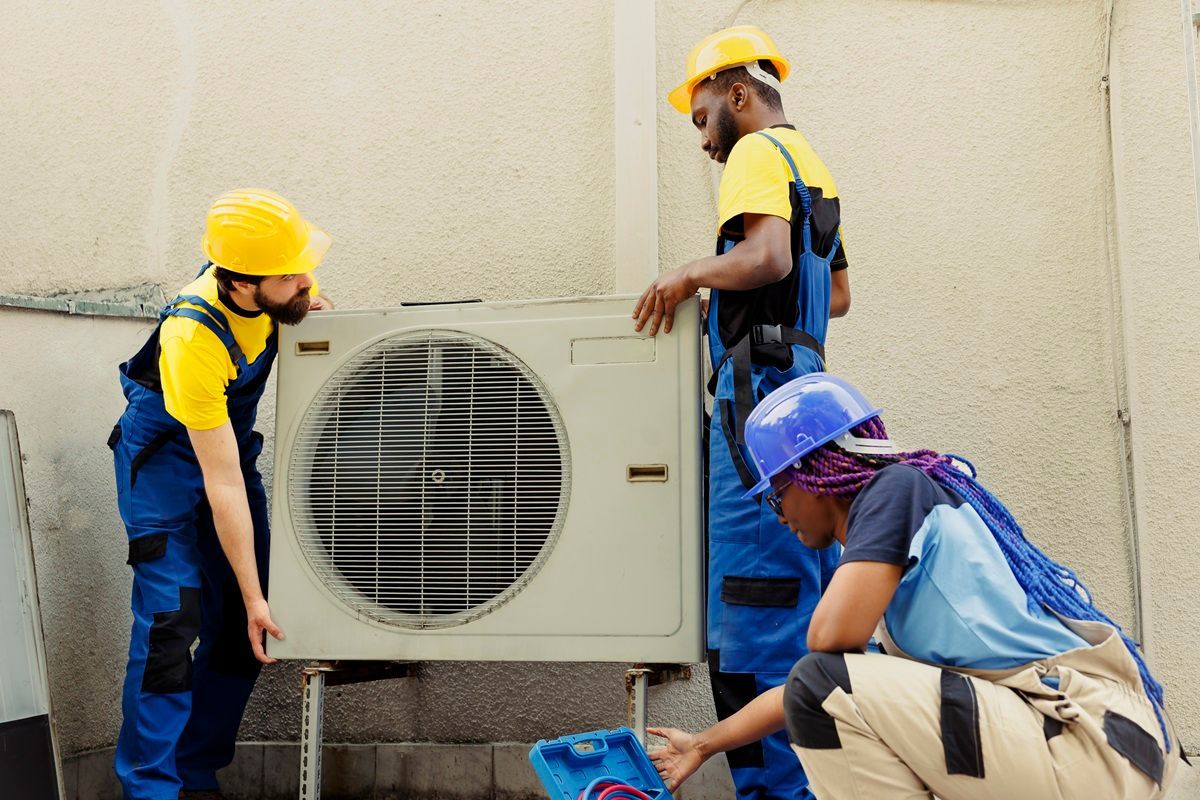
- Proper placement of indoor and outdoor units
- Quality ductwork (if applicable)
A poorly sized unit can lead to inefficiency, uneven temperatures, and higher energy bills. That’s why professional assessment is essential before making a decision.
Homeowners looking into heating and cooling in Winchester often find that expert installation makes a noticeable difference in comfort levels.
Maintenance Tips for Long-Term Performance
Like any home system, heat pumps need regular maintenance to stay efficient.
Simple steps include:
- Cleaning or replacing air filters regularly
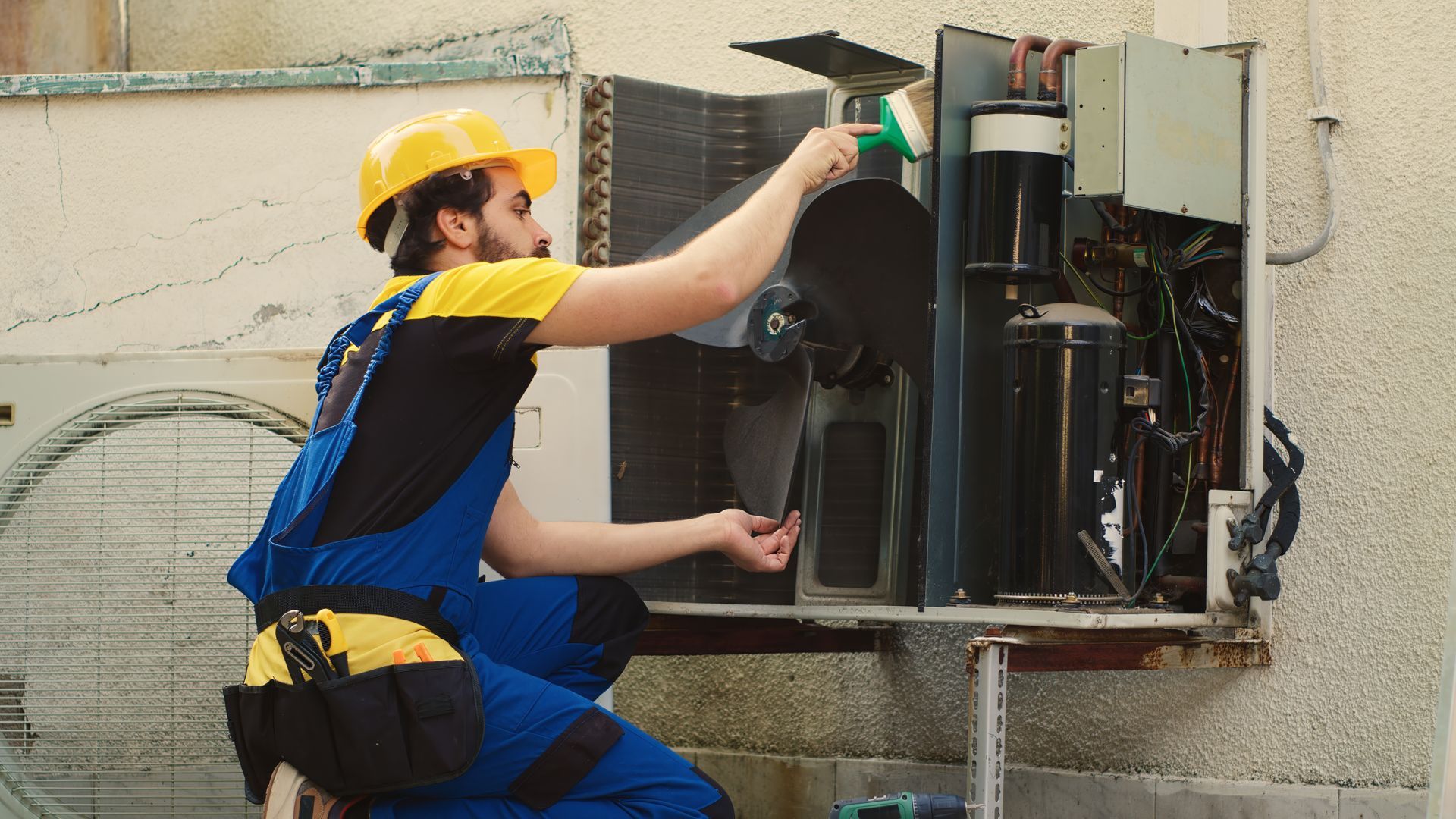
- Keeping outdoor units free of debris
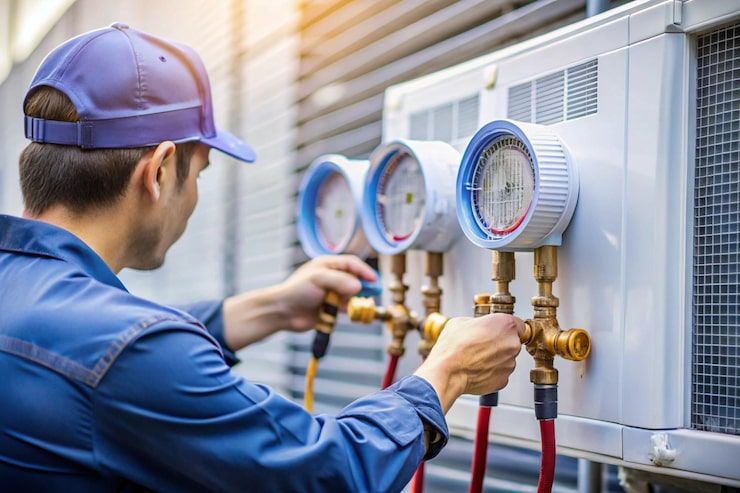
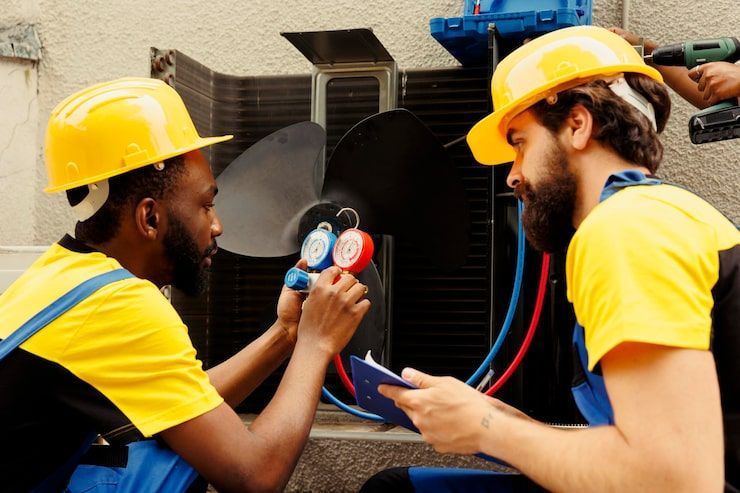
- Scheduling annual professional inspections
Routine care not only extends the lifespan of your system but also ensures it continues to operate efficiently.
Partnering with a trusted provider like KJ’s Heating and Air can make maintenance easy and stress-free.
Real-Life Scenario: Making the Switch
Imagine a family dealing with high energy bills and inconsistent temperatures throughout their home. After switching to a heat pump system, they notice immediate improvements, lower bills, quieter operation, and even temperatures in every room.
This is a common experience for homeowners transitioning from older HVAC systems. The combination of efficiency and comfort makes heat pumps a practical upgrade for many households.
Making a Confident Decision
Choosing the right heat pump isn’t just about picking a model; it’s about finding the best fit for your home and lifestyle. Taking the time to understand your options, budget, and installation needs will help you make a decision you’ll feel good about for years to come.
Whether you’re upgrading an outdated system or building a new home, a well-chosen heat pump can transform your indoor comfort while keeping energy costs under control.
Final Thoughts
Heat pumps offer a smart, energy-efficient solution for year-round comfort. With the right system and professional installation, you can enjoy a more comfortable home while reducing your environmental impact.
If you’re ready to explore your options, now is the perfect time to take the next step. Reach out to a trusted HVAC professional, ask questions, and find the system that fits your needs. Your future comfort and your energy bills will thank you.
FAQs
1. Are heat pumps suitable for all climates?
Heat pumps work best in moderate climates, but modern systems are designed to perform efficiently even in colder temperatures.
2. How long does a heat pump typically last?
With proper maintenance, most heat pumps last between 10 and 15 years.
3. Can a heat pump replace both my heater and air conditioner?
Yes, heat pumps provide both heating and cooling, making them a versatile all-in-one solution.
4. Is installation disruptive to the home?
Installation is usually straightforward, especially for air-source systems. More complex setups like geothermal may require additional work.
5. How often should maintenance be scheduled?
It’s recommended to schedule professional maintenance at least once a year, along with regular filter checks and cleaning.