Are Heat Pumps Energy Efficient? Costs, Savings, and Rebates Explained
Homeowners often want to know whether heat pumps are truly energy efficient and how much they cost to operate or install. This article explains how heat pumps reduce energy use, what affects savings, expected costs, and how rebates improve payback for homes in many coastal climates.
What makes a heat pump energy efficient compared to gas or electric systems?
Heat pumps move heat rather than generate it, which reduces energy consumption for heating and cooling. Because the system transfers thermal energy, it can deliver more heating output than the electrical power it uses.
Key efficiency differences include:
- Gas furnaces burn fuel, while heat pumps rely on electric transfer
- Heat pumps can achieve performance ratios two to four times better than electric resistance systems
- In mild climates such as Carlsbad & Dana Point, heat pumps operate with minimal efficiency loss
- Heat pumps supply both heating and cooling through one system
- Reduced on-site emissions due to no combustion
Efficiency improves in homes with sealed ductwork, proper sizing, and steady runtime. In colder climates, supplemental electric heat may temporarily increase consumption.
How do heat pumps reduce monthly energy costs for homeowners?
Monthly savings result from lower heating energy use and consolidated cooling equipment. When a heat pump delivers more heating output per kilowatt, the home requires less input power to maintain indoor temperature.
Factors that influence savings include:
- Existing system type (gas furnace, electric furnace, baseboards, or packaged AC)
- Home insulation level and air sealing
- Local electricity rates compared to gas prices
- Seasonal temperature variation
- Whether the system replaces aging, oversized, or low-efficiency equipment
Homes shifting away from electric resistance heating typically see the largest utility reduction. Savings are moderate when replacing a mid-efficiency gas furnace in a region with inexpensive natural gas.
How much does a heat pump system cost to install?
Total installation cost varies by equipment capacity, efficiency rating, duct condition, and whether a homeowner installs ductless or ducted equipment.
Common cost drivers include:
- Outdoor and indoor equipment size based on load calculations
- Variable-speed or inverter compressor technology
- Existing duct upgrades, sealing, or replacement
- Electrical panel capacity and possible upgrades
- Local labor rates and permitting requirements
Ductless systems may cost more per ton of capacity, but they avoid duct modification. Ducted units may offer more overall coverage for whole-home applications. Final pricing depends on a verified load assessment rather than rule-of-thumb sizing.
What long-term operational savings can homeowners reasonably expect?
Savings reflect avoided energy use over the lifespan rather than immediate monthly reductions. When maintained properly, systems can deliver consistent efficiency for 12–20 years, depending on climate exposure and component quality.
Operational savings improve when:
- Thermostat settings minimize indoor swings
- Annual maintenance includes coil cleaning and refrigerant verification
- Filters are replaced on schedule
- Outdoor clearance allows unrestricted airflow
- Ducts maintain pressure balance
Long-term savings are lower if home leaks or ducts remain unsealed. Systems deliver more stable output in mild coastal regions because extreme-temperature strain is limited.
How do available tax credits and rebates affect overall cost?
Federal and state incentives aim to improve electrification adoption by lowering the net upfront cost. Rebates usually apply to high-efficiency equipment that meets rated performance thresholds.
Incentives commonly include:
- Federal income tax credits for qualifying heat pumps
- State rebate programs for high-efficiency electric HVAC
- Utility-administered incentives tied to energy-use reduction
- Low-income or income-verified electrification programs
- Separate rebates for panel upgrades or duct sealing
Some programs require installation verification, load calculations, or proof of licensed work. Incentives change periodically based on statewide budgets, so program availability cannot be assumed.
What maintenance supports heat pump efficiency over time?
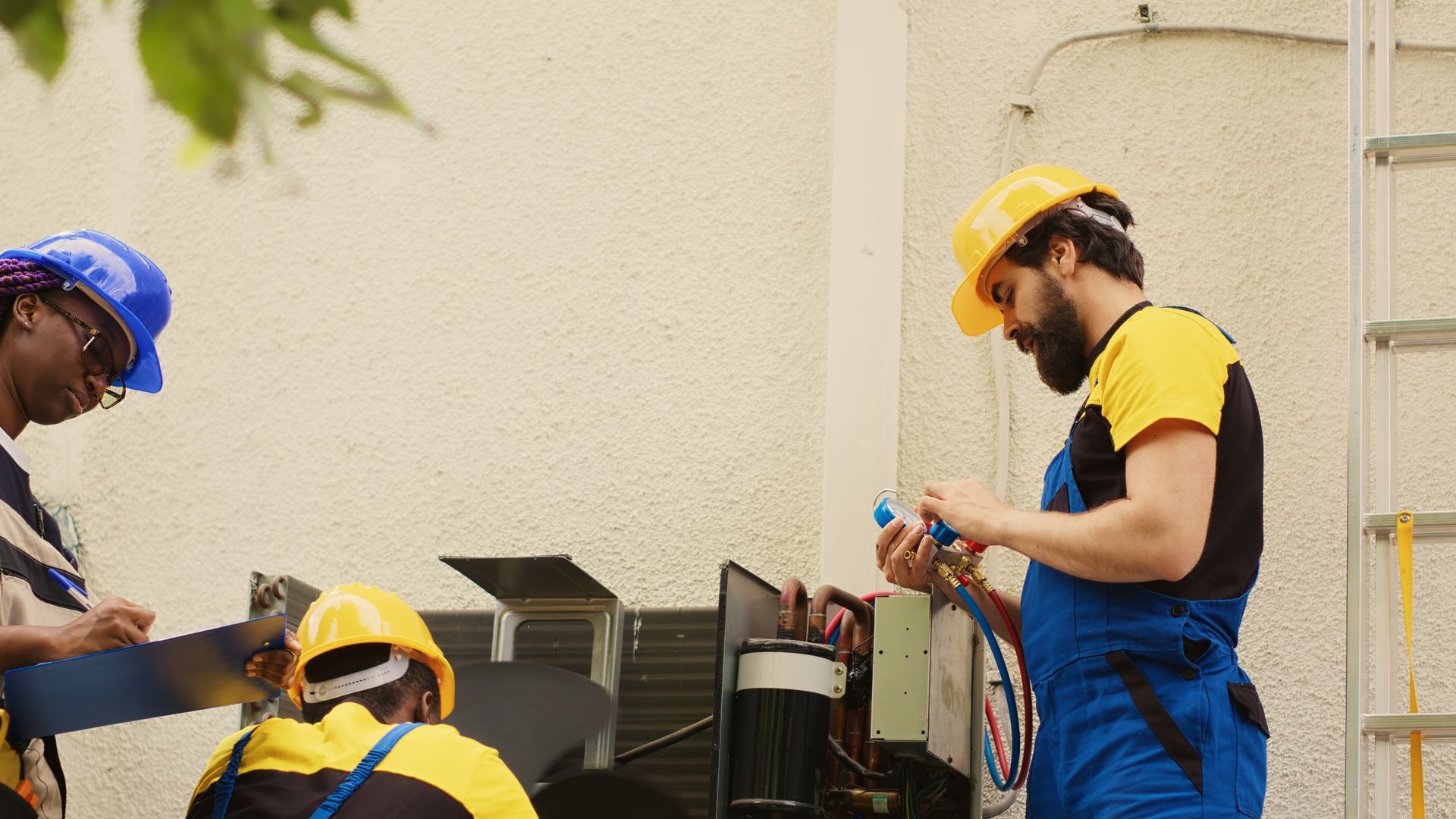
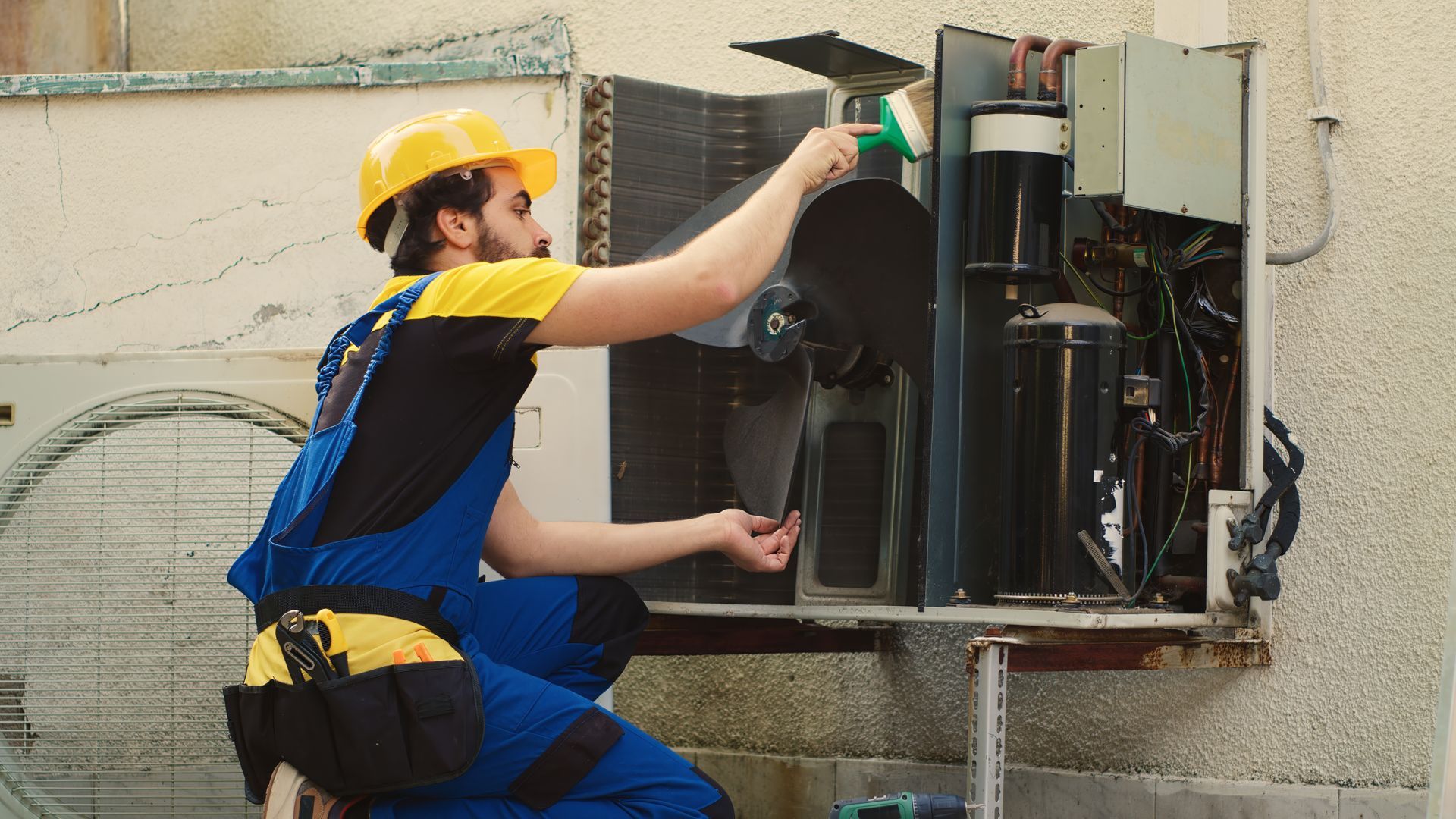
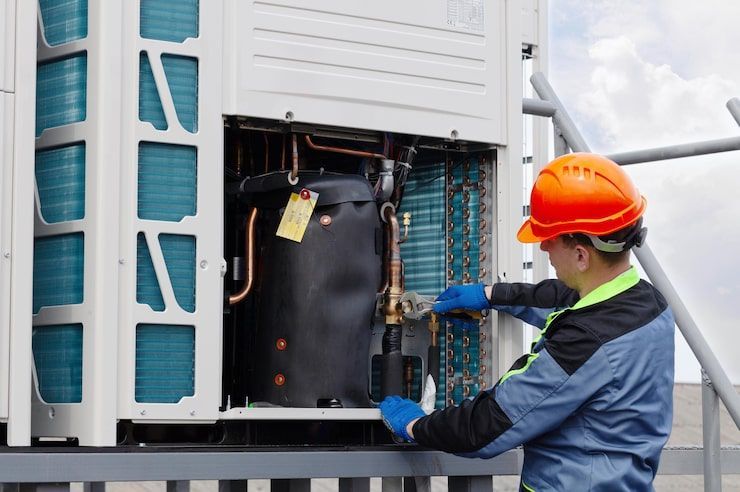
Maintenance protects coil heat transfer efficiency and preserves airflow. Because the system heats and cools, it operates year-round, which increases the importance of scheduled checks.
Maintenance priorities include:
- Filter changes based on the manufacturer's schedule
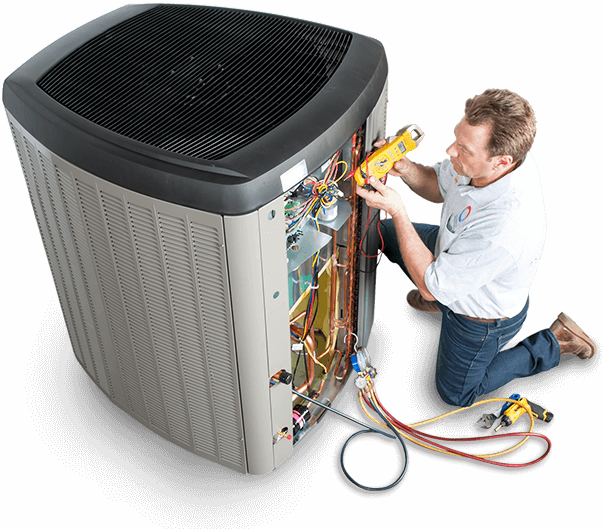
- Coil clearing and debris removal from outdoor units
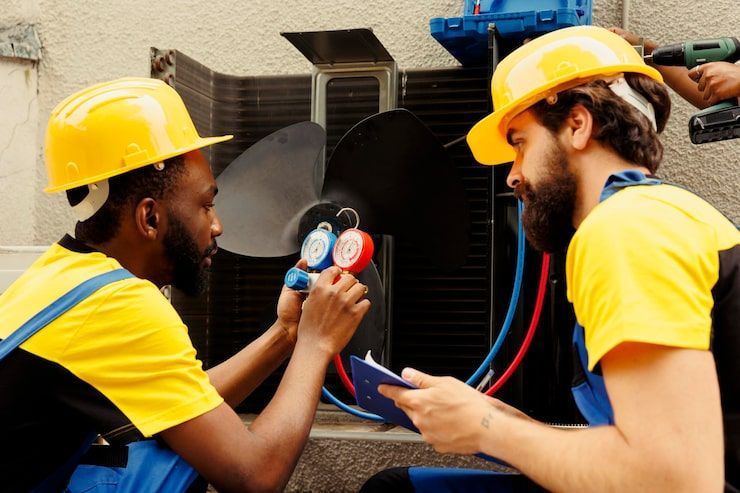
- Refrigerant level verification
- Duct sealing checks for pressure leakage
- Thermostat calibration
A system that receives minimal maintenance gradually loses efficiency due to restricted airflow, reduced heat exchange, and cycling strain. Annual inspection is recommended for consistent performance.
How do heat pumps affect indoor comfort and humidity control?
Heat pumps regulate indoor temperature gradually, reducing the abrupt swings of single-stage systems. During cooling, the refrigerant removes moisture from indoor air, improving humidity management.
Comfort characteristics include:
- Longer, lower-intensity cycles that stabilize temperature
- More even room-to-room airflow
- Humidity extraction when cooling
- Lower surface temperature variation on supply registers
- Reduced nighttime overheating after compressor shutdown
Comfort levels depend on insulation, duct balancing, and refrigerant charge. Separate dehumidification equipment may still be needed in high-moisture environments.
Frequently Asked Questions
Are heat pumps suitable for older homes?
Yes, when electrical service can support the load, and air sealing helps maintain efficiency.
Can a heat pump replace both a furnace and an air conditioner?
Yes, it provides heating and cooling through one electric system.
Do heat pumps work in cold weather?
Yes, but auxiliary heat may activate in colder climates, affecting energy use.
Is a variable-speed compressor more efficient?
Yes, because output adjusts to demand instead of cycling at full capacity.
Do heat pumps require duct replacement?
Not always, but leaky or undersized ducts reduce efficiency.
Can homeowners keep a gas furnace as backup?
Yes, some systems operate in hybrid configurations.
Do heat pumps reduce carbon emissions?
They eliminate on-site combustion and may reduce total emissions depending on local electricity sources.
Does a heat pump need refrigerant refills?
No, unless a leak occurs. Refrigerants should remain sealed.
A Final Thought
Heat pump efficiency depends on climate, sizing, and maintenance rather than a single rating label. Homeowners benefit most when the building envelope supports consistent thermal performance. Understanding system behavior helps clarify long-term value beyond initial installation cost.